 Kids Portal For Parents India Kids Network
योगः कर्मसु कौशलम्। “Yogah Karmasu Kaushalam”
(Yog is excellence and harmony in action)
Good health is the greatest asset of human life. Without it, success in any field remains uncertain. Modern systems of physical culture primarily emphasize muscular development through rapid and mechanical movements. While such exercises may build strength, they often cause quick exhaustion, excessive strain on the heart and lungs and psychological disturbances such as anxiety, tension and fear. At times, disproportionate development of certain muscle groups leads to imbalance and disharmony in personality.
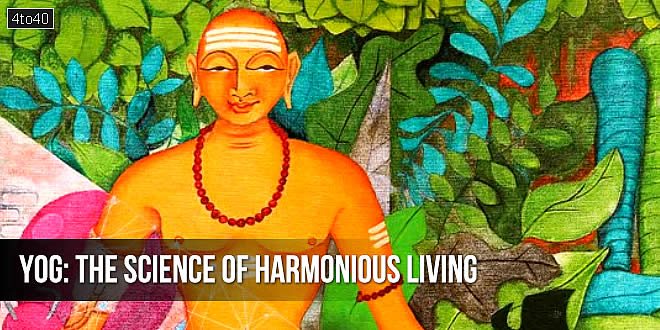
Yog: The Science of Harmonious Living
Yog offers a comprehensive and harmonious alternative. Yogic exercises ensure balanced development of the entire body, including muscles, internal organs, nerves and the skeletal framework. The movements in Yog are gentle, rhythmic and controlled, free from sudden or jerky actions. As a result, there is no waste of energy; rather, Yog conserves and regulates vital force. The functioning of the heart, lungs and nervous system becomes naturally balanced, promoting endurance and inner calm.
Yog is not merely a system of physical exercise but a holistic discipline, addressing the physical, vital, mental, psychological and spiritual dimensions of the human personality. This integrated approach is expressed through Ashtang Yog, the eightfold path consisting of Yam (moral restraints), Niyam (Spiritual observances), Asan (posture), Pranayam (regulation of breath), Pratyahar (withdrawal of the mind), Dharana (concentration), Dhyan (meditation) and Samadhi (Supreme Harmony).
During the practice of Yog Asanas, rapid movements or bodily jerks are avoided. This stillness allows breathing to become regulated automatically. Equally important is mental discipline. While performing Asanas, the mind should be withdrawn from daily concerns and external distractions. This inward withdrawal is known as Pratyahar. Since the natural tendency of the mind is to move outward, Yogic sages advised directing attention towards the relevant part of the body involved in the Asan. Sustained attention for a short period is Dharana, while continuous, effortless concentration becomes Dhyan. Meditation, defined as “Pratyaya Ekatanata Dhyanam”. When all seven limbs mature together, Samadhi, the state of supreme harmony, arises naturally.
For effective practice, both external and internal conditions must be conducive. Externally, this is achieved through the observance of Yam: Ahimsa (non-violence), Satya (truthfulness), Asteya (non-stealing), Brahmacharya (Self-control) and Aparigrah (non-possessiveness).
Inner serenity is cultivated through Niyam, which includes Shauch (purity), Santosh (contentment), Tapas (austerity), Swadhyay (self-study) and Ishvar Pranidhan (surrender to the Divine). Yog, therefore, is a science of harmonious living. By integrating body, breath, mind and spirit, it leads the practitioner towards health, balance and supreme harmony—an enduring ideal for modern humanity.
समत्वं योग उच्यते। “Samatvam yog uchyate”
(Yog is equanimity, calm and composure)