 Kids Portal For Parents India Kids Network
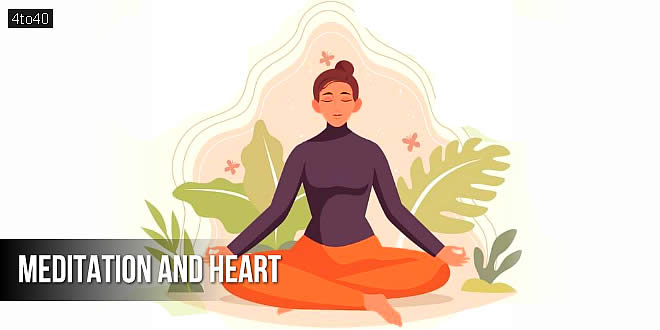
The heart is more than just a muscle. It is a mirror of how we feel, live and connect. Meditation offers a gentle but powerful way to care for the heart in all dimensions-physical, emotional and spiritual.
In stillness, we find strength, in silence the heart speaks. Through meditation we return to the inner-self (Antahkaran), where healing begins.
Meditation and Heart
In the fast pace of modern life, stress has become a constant companion for many of us. This relentless tension does not just cloud the mind, it also takes a toll on the heart, which is the cause of increasing death rates due to heart attacks now-a-days.
Spiritually as well as scientifically, meditation has emerged as a powerful tool for healing and strengthening the heart, offering benefits that touch every layer of our being.
Scientific research reveals that regular meditation has a positive impact on cardiovascular health. Individual practicing regular meditation, helps regulating the automatic nervous system (A.N.S.) shifting it from the stress driven sympathetic mode (Fight and Flight) to the parasympathetic mode, which is known as the Body’s Rest and Digest mode, slowing heart-rate, calming breathing, allowing heart to rest, lower (HRV) heart-rate variability, a marker of heart resilience. Also decreases the level of stress hormones, like ‘cortisol‘ and ‘adrenaline‘, allowing better circulation and oxygenation.
Studies from American Heart Association (A.H.A) show that meditation can lower the risk of heart disease, improve blood circulation and even helps recovery after heart surgeries and heart related incidents.
Harvard Medical School studies showed that mindful meditation reduces-arterial stiffness and inflammation. Just 10 to 20 minutes of daily practice of meditation promotes healthier blood vessels and improves heart function.
Beyond the physical benefits, meditation nurtures the emotional heart-the centre of our feelings, relationships and resilience. Practice of loving, kindness meditation, like:
“Sarve Bhavantu Sukhinah
Sarve Santu Niramayah
Sarve Bhadrani Pashyantu
Maa Kashchit Dukh Bhag Bhavet”
focuses directly on cultivating compassion, empathy and forgiveness, which releases the emotional burden of heart. These emotional states are deeply healing and support in reducing mental stress, a cause, so often leads to heart-problems. Transcendental meditation shown to reduce systolic blood pressure.
There are certain indirect benefits of meditation which support heart health:
- Meditation encourages mindful eating.
- Improves sleep quality (Yog Nidra).
- Enhancing adherence to meditation, activates the vagus nerve, which is the major pathway of the parasympathetic system.
Meditation helps individuals become more aware of their emotional patterns.
They learn to let go things. It creates a space between stimulus and reaction, a pause where peace can enter. This leads to greater emotional intelligence, reduced reactivity and a deeper connection with others.
For the spiritual point of view, we consider heart as the seat of the soul, the gateway to intuition and Divine presence. Thus, meditation is a sacred practice, that quiets the mind. When the mind is still, the heart speaks. It may be through silence, breath awareness or mantra. Methods may differ. Meditation allows individuals to reconnect with their inner truth. This connection brings a sense of inner peace and purpose that transcends the mundane world.
Thus meditation serves as a valuable complementary approach for preventing and managing heart disease.