 Kids Portal For Parents India Kids Network
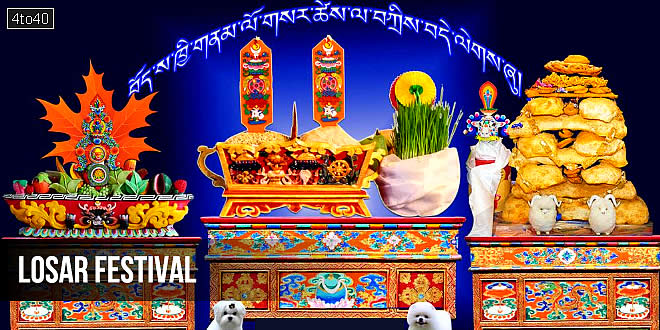
Losar is a vibrant springtime festival marking the Tibetan New Year, celebrated with great enthusiasm by Tibetan Buddhist communities in India, Nepal, Bhutan and Tibet. It is one of the most important cultural festivals in the Himalayan regions, symbolising renewal of life, spiritual cleansing, prosperity and happiness for the year ahead. Losar brings together families, communities and monasteries in prayer, rituals, feasting and traditional joyous activities that reflect centuries‑old heritage.
Losar Festival: Date
- 2026: 18 February (Wednesday) – 20 February (Friday)
Regional Variations:
- Ladakh: Celebrations last 15 days, often beginning around the winter solstice, with significant monastery performances.
- Arunachal Pradesh: Celebrated by the Monpa tribe with rituals and prayers for a good harvest.
- Nepal: Features three distinct types: Sonam, Tamu and Gyalpo Losar.
Historical Background:
Losar predates the arrival of Buddhism in Tibet and originally began as a pre‑Buddhist Bon festival of seasonal and agricultural rituals. With the spread of Buddhism from the 7th century onwards, Losar absorbed Buddhist elements of purification and prayer, evolving into a fully‑formed annual New Year celebration that blends indigenous Tibetan culture with Buddhist philosophy.
Cultural and Spiritual Importance:
Losar is much more than a lunar New Year celebration. It embodies spiritual cleansing, renewal of mind and body, and a community’s aspiration for peace and prosperity. Rituals involve cleansing households of past negativity, performing prayers and offerings at home and in monasteries, and invoking blessings from deities and spiritual protectors. The festival reinforces values of harmony, gratitude and compassion, and strengthens bonds within families and communities.
When the Festival Is Celebrated:
Losar is celebrated according to the Tibetan lunar calendar and usually falls in February or March in the Gregorian calendar. The exact dates change each year, with the main celebrations often beginning around the first day of the new lunar year. In 2026, Losar falls in mid‑February for many communities in regions like Ladakh and Arunachal Pradesh.
The festival traditionally lasts about 15 days, though the first three days hold the most significance, marked by special ceremonies, family visits and communal gatherings.
How Losar Is Celebrated:
Preparations and House Cleansing
Weeks before Losar, families clean and decorate their homes to symbolically sweep away the past year’s misfortunes and make space for good fortune in the new year. Decorative prayer flags and symbolic colours are placed around homes and monasteries.
Traditional Rituals and Prayers
On the first day, known as Lama Losar, households and monasteries offer prayers and incense to spiritual teachers, deities and protective spirits, seeking blessings for peace and wellbeing. Monks chant scriptures, light butter lamps and conduct rituals that promote spiritual purity and collective harmony.
Family Gatherings and Feasting
Families come together to share festive meals, exchange warm wishes, give gifts and prepare special foods like khapse (fried pastries) and thukpa (noodle soup). These dishes and beverages symbolise generosity, prosperity and friendship.
Community Activities and Cultural Expressions
Losar celebrations may include folk music, traditional dance, colourful attire and community gatherings that bring people together in joyful celebration. Visits to monasteries, where ritual masks and sacred objects are displayed, are central to the experience.
Travel and Visitor Information:
Where to Experience Losar
Losar is most vibrantly celebrated in the Himalayan regions of Ladakh, Sikkim and Arunachal Pradesh in India, particularly in areas with significant Tibetan Buddhist populations. Monastery towns, valleys and cultural hubs become focal points for ritual and social celebrations.
How to Reach
These regions are typically accessed by road or air. For example, Ladakh can be reached through Leh Kushok Bakula Rimpochee Airport, while Sikkim’s festivities are accessible via Bagdogra Airport or New Jalpaiguri Railway Station with onward road connections to Gangtok and surrounding valleys.
Best Time to Visit:
The ideal time to witness Losar festivities is during February or early March, when the whole landscape comes alive with colourful celebrations, community rituals and cultural richness.
Respectful Conduct:
When observing Losar events, dress modestly, follow local customs and show respect for religious practices and sacred spaces. Seek permission before photographing people performing rituals.
How to Spread Awareness and Appreciation
Share Cultural Experiences
Upload photos, videos and stories on social platforms using tags like #LosarFestival, #TibetanNewYear and #HimalayanCulture to introduce global audiences to this unique celebration.
Support Local Tourism
Collaborate with travel bloggers, cultural organisations and community guides to create festival travel guides and itineraries that are respectful and insightful.
Promote Educational Content
Write blogs or short videos explaining the spiritual and historical background of Losar, highlighting traditions, food, music and rituals that make it unique.
Other Aspects and Insights
Losar stands at the intersection of ancient tradition and contemporary life, showing how a festival can be both an expression of spiritual renewal and a vibrant celebration of community, food, music and culture. It offers visitors a deep and memorable insight into the heritage of Tibetan Buddhism and Himalayan living, making it a fascinating festival for cultural travellers and spiritual seekers alike.