 Kids Portal For Parents India Kids Network

Jaya Ekadashi is observed on the 11th day of Shukla Paksha during Magh month as per Hindu calendar. Devotees celebrate the day in different parts of India as per the local traditions.
Though it is known as Jaya Ekadashi in North India, people in South India celebrate it as Bhishma Ekadasi in Andhra Pradesh. The same festival is treated as Bhishma Ekadashi in Karnataka where huge number of worshipers of Lord Vishnu throng the temples on the day. People observe fast on the auspicious day as part of offering their prayers to the deity. Special pujas too are performed dedicated to Lord Shiva on the same day. Hence, the fast is held in high esteem regarded as doubly beneficial.
Jaya Ekadashi: Date
- 2026: 29 January, 2026 (Thursday)
- 2027: 17 February, 2027 (Wednesday)
- 2028: 06 February, 2028 (Sunday)
Jaya Ekadashi: Legends
Jaya Ekadashi is also known as Bhishma Ekadashi because of the historical facts associated with it. According to the legend, the term got coined so because Bhishma considered this day to reach heavenly abode with Brahman, the Supreme Soul. Post Mahabharata, Bhishma rendered Vishnu Sahasranama Stothram to Pandavas on the same day while still being on the bed of arrows. This is one reason why the entire Hindu community all over the world regards the day in the most respectful manner. All the Hindu devotees begin the day with fast and continue it throughout the day to cleanse themselves of the sins committed by them.
Observances:
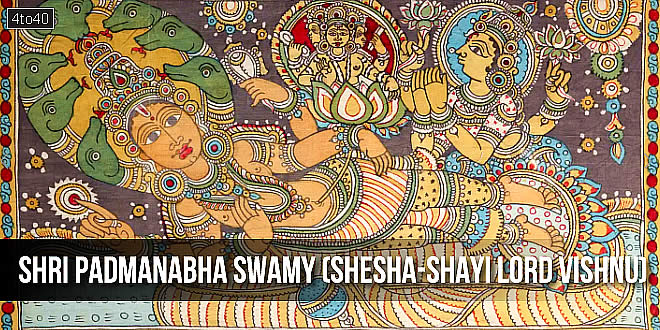
Attaining salvation (Moksha) is one of the primary objectives for others to observe fast on Jaya Ekadashi. People are left with the choice of observing a full or partial fast on the day as per their convenience and capacity. Preparations for the fast begin a day before Jaya Ekadashi with the consumption of a single meal alone. Ardent devotees begin their day early by waking up early and taking a bath before dedicating their time to Lord Vishnu. Ekadashi Parana (fast breaking ritual) is followed once the fast has been completed successfully.
In contrast, there are suggestions for observing the fast on two consecutive days. Firstly, it is regarded as Smartha meant for people to attend with their family, which coincides with Vaishnava Ekadashi. The other is for those who are single, widowed or aged planning to attain Moksha. During the fast of 24 hours, people abstain themselves from food completely. However, the intake of fruits, vegetables, milk and dry fruits is allowed. Staunch devotees pay due respect to Lord Vishnu and throng temples in large numbers to sing hymns and to listen stories about Vishnu.
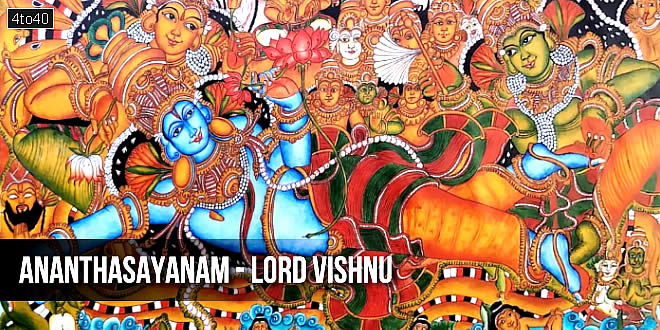
People observing Jaya Ekadashi continue praying to God till the next day morning. Breaking the fast is performed in the most sacred manner, which is done by taking a holy bath and then lighting a lamp before God. This will officially mark the breaking of vrat. Devotees firmly believe that all these events help them from fighting demonic influences effectively. Reaching the abode of Lord Vishnu too will be materialized in the most sacred manner. Lord Krishna, an incarnation of Lord Vishnu, is also worshiped as part of the ritual of clearing their sins and attaining salvation.
When is Jaya Ekadashi Celebrated?
Jaya Ekadashi generally falls in January or February, on the eleventh lunar day of the Shukla Paksha in the Hindu month of Magha. In 2026, Jaya Ekadashi will be observed on January 29, 2026, according to the traditional Hindu calendar. The Jaya Ekadashi tithi begins the evening before and continues through the day of Ekadashi itself, and the fast is broken on the next day (Dwadashi) after sunrise at the prescribed time (parana).
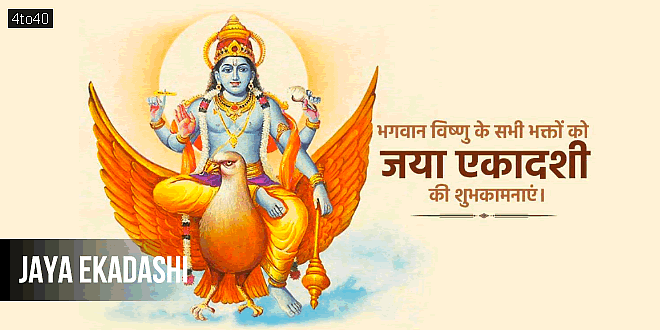
History and Origin of Jaya Ekadashi
The term “Jaya” means “victory”, and Jaya Ekadashi is believed to bestow spiritual victory by helping devotees overcome inner obstacles, bad habits and past negative actions. In Hindu lore, Ekadashi fasts have been mentioned in ancient scriptures such as the Padma Purana and Bhavishya Purana, where observing specific Ekadashis including Jaya Ekadashi is said to bring devotees closer to Lord Vishnu’s grace and lead them toward liberation (moksha).
In regions of South India, Jaya Ekadashi is associated with the legend of Bheesma (Bhisma Ekadasi) — the great warrior and elder of the Mahabharata, who chose this day for his conscious departure from the earthly world, honoring it as a moment of triumph and divine connection.
How Jaya Ekadashi Is Celebrated
Fasting (Vrat)
- Devotees observe a fast on Jaya Ekadashi with devotion to Lord Vishnu. Some observe a strict nirjala fast (without water), while others follow a partial or phalahari (fruits and milk) fast, depending on their health and tradition.
Prayer and Worship
- On this day, worship of Lord Vishnu and Goddess Lakshmi is central. Devotees chant Vishnu mantras, recite the Vishnu Sahasranama, sing devotional hymns, and listen to or read Jaya Ekadashi Katha (sacred stories explaining the importance of the fast).
Holy Bath
- Taking a holy bath early in the morning and offering prayers with Tulsi leaves, flowers and incense is a traditional practice believed to purify the mind and body and attract divine blessings.
Breaking the Fast (Parana)
- The fast is broken the following day (Dwadashi) after sunrise during the prescribed parana time, using simple food items, water or fruits.
Significance:
Jaya Ekadashi holds deep spiritual and religious significance for devotees:
- Spiritual Purity and Forgiveness: Observing this Ekadashi is believed to cleanse past sins and invite divine forgiveness from Lord Vishnu.
- Overcoming Obstacles: The name itself signifies victory — devotees pray for triumph over personal challenges, inner weaknesses and negative tendencies.
- Blessings of Prosperity and Happiness: Traditional belief holds that sincere observance brings prosperity, peace, contentment and fulfillment in worldly and spiritual life.
- Connection to Liberation: In some traditions, Jaya Ekadashi is thought to assist devotees on the path toward moksha (liberation) by strengthening devotion and self-discipline.
Inspiring Youth Through Jaya Ekadashi
Jaya Ekadashi offers meaningful life lessons that can resonate strongly with today’s youth:
Discipline and Self-Control:
- The practice of fasting teaches young people emotional resilience and self-discipline — qualities that help in personal growth and focus.
Mindfulness and Reflection:
- Taking time for prayer, meditation and inner reflection can help youth develop mindfulness and clarity in life decisions.
Cultural and Spiritual Roots:
- Learning the stories and traditions linked with Jaya Ekadashi encourages respect for heritage and deepens cultural awareness.
Service and Compassion:
- Many communities encourage charitable acts on Ekadashi, inspiring younger generations to practice kindness and empathy.
Encouraging youth groups, schools and families to participate in Ekadashi worship, storytelling sessions and service activities can help strengthen a sense of purpose and spiritual well-being.
How to Spread the Celebration of Jaya Ekadashi
To make Jaya Ekadashi more widely understood and celebrated in modern times:
Educational Outreach
- Sharing articles, videos and explanations about the history, rituals and spiritual benefits of Jaya Ekadashi on websites and social media can help educate diverse audiences.
Community Events
- Organising community prayer meetings, group reading of Ekadashi stories, devotional singing sessions and interactive discussions on faith and values can bring people together.
Youth Engagement
- Schools and colleges can introduce Ekadashi themes in cultural activities — such as essay contests, art competitions, and spiritual talks — connecting tradition with contemporary relevance.
Digital Practices
- Use livestreams of prayers, guided meditations, or online chanting events for devotees who cannot attend physical gatherings, expanding the reach of the celebration.
Charity and Service
- Promote acts of charity — like distributing food, clothes or essentials to the needy — on Jaya Ekadashi to underline its spirit of compassion and selfless service.
Conclusion:
Jaya Ekadashi is not just a fasting day — it is a spiritual observance that blends devotion, discipline, reflection, and cultural continuity. Whether observed through full fasts or mindful devotion, this sacred day encourages surrender to the divine, triumph over personal barriers and a deeper connection to life’s higher values. Sharing its traditions with family, community and youth ensures that Jaya Ekadashi remains a living, meaningful part of contemporary spiritual practice.