 Kids Portal For Parents India Kids Network
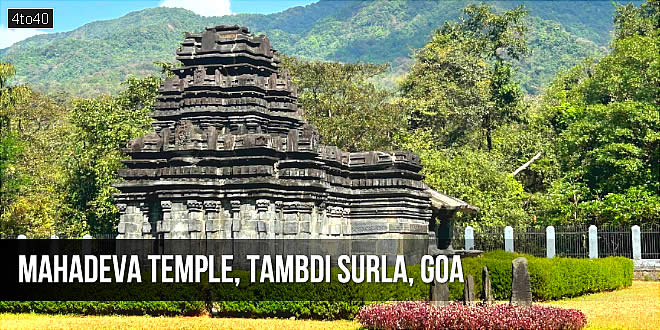
गोवा का नाम आते ही मन में समुद्र तटों, रंगीन जीवनशैली और भव्य चर्चों की छवि उभरती है, लेकिन बहुत कम लोग जानते हैं कि यह भूमि एक प्राचीन और अनमोल हिन्दू धरोहर को भी संजोए हुए है। गोवा के घने जंगलों के बीच स्थित महादेव मंदिर तांबड़ी सुरला राज्य का सबसे प्राचीन मंदिर माना जाता है।
The temple itself is built in Jain style in the twelfth century. There are some interesting details about the construction itself which has led to debates about the actual origins of the temple. The temple is built in a place which is quite inaccessible and away from the main settlements of the time. The size of the temple is quite small as compared to the size of the average Goan temple. And finally the top part of the temple has never been completed.
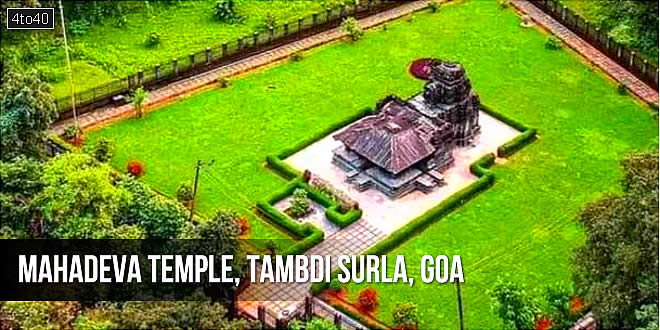
महादेव मंदिर, तांबडी सुर्ला: गोवा के घने जंगलों में छिपा है अद्भुत ‘महादेव मंदिर’
| Name: | Shri Mahadev Temple, Tambdi Surla, Goa (महादेव मंदिर, तांबडी सुर्ला, गोवा) |
| Location: | Near Bhagwan Mahaveer Wildlife Sanctuary, Sanguem, Surla, Goa 403406 India |
| Deity: | Mahadeva (Shiva) |
| Affiliation: | Hinduism |
| Festival: | Navratri |
| Style: | Kadamba |
| Established In: | 12th century CE |
भगवान शिव को समर्पित महादेव मंदिर तांबड़ी सुरला 12वीं-13वीं शताब्दी का है और भारतीय स्थापत्य कला की कदंब शैली का उत्कृष्ट उदाहरण प्रस्तुत करता है। यह मंदिर गोवा के दक्षिण-पूर्वी भाग में भगवान महावीर अभयारण्य के भीतर स्थित है। घने वनों और प्राकृतिक सौंदर्य से घिरा यह स्थान आध्यात्मिक शांति तथा ऐतिहासिक महत्व का अद्भुत संगम है। इसकी विशेषता यह है कि सदियों के आक्रमणों, प्राकृतिक आपदाओं और समय की मार के बावजूद यह मंदिर आज भी अपनी मूल भव्यता के साथ खड़ा है।
इतिहासकारों के अनुसार इस मंदिर का निर्माण कदंब शासनकाल के दौरान यादव वंश के राजा रामचंद्र द्वारा कराया गया था। मंदिर के आधार भाग पर अंकित एक शिलालेख से इसके निर्माण की जानकारी मिलती है।
यह मंदिर उन विरले स्मारकों में शामिल है जो गोवा में पुर्तगाली शासन के दौरान ध्वस्त नहीं किए गए। माना जाता है कि इसकी दुर्गम स्थिति और घने जंगलों ने इसे विनाश से बचाए रखा। आज यह भारतीय पुरातत्व सर्वेक्षण द्वारा संरक्षित राष्ट्रीय महत्व का स्मारक है।
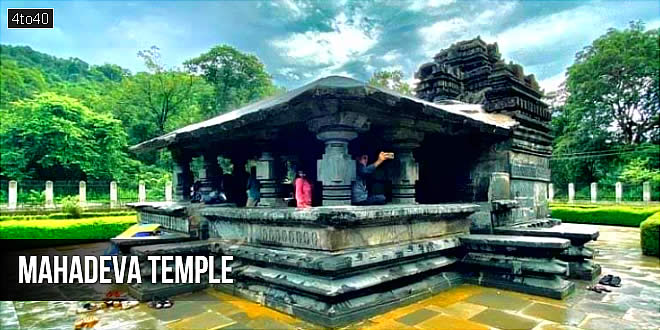
मंदिर का निर्माण काले बेसाल्ट पत्थर से किया गया है, जो अपनी मजबूती और टिकाऊपन के लिए प्रसिद्ध है। आश्चर्य की बात यह है कि पत्थरों को बिना सीमैंट या गारे के इतनी कुशलता से जोड़ा गया है कि पूरी संरचना आज भी मजबूत बनी हुई है। मंदिर तीन प्रमुख भागों में विभाजित है- शिखर, मंडप और गर्भगृह। गर्भगृह में स्थापित शिवलिंग मंदिर का मुख्य पूजनीय केंद्र है।
मंदिर की स्थापत्य कला अत्यंत आकर्षक है। इसके स्तंभों, दीवारों और छतों पर की गई नक्काशी तत्कालीन शिल्पकारों की अद्भुत प्रतिभा को दर्शाती है। मंदिर में पुष्प आकृतियां, ज्यामितीय डिजाइन, पशु-पक्षियों की मूर्तियां तथा हिंदू पौराणिक कथाओं से संबंधित दृश्य उकेरे गए हैं। रामायण, महाभारत और विष्णु के दशावतारों से जुड़े चित्रण इसकी कलात्मक महत्ता को और बढ़ाते हैं।
मंदिर के सामने नंदी की सुंदर प्रतिमा स्थापित है, जो भगवान शिव के वाहन और द्वारपाल माने जाते हैं। गर्भगृह में स्थित शिवलिंग पर चांदी का मुखौटा चढ़ाया जाता है, जिसमें शिव के पांच स्वरूपों का प्रतीकात्मक चित्रण दिखाई देता है। मंदिर के स्तंभों पर नर्तकियों, संगीतकारों, देवी-देवताओं और विभिन्न जीवों की आकर्षक आकृतियां उकेरी गई हैं, जो दर्शकों को मंत्रमुग्ध कर देती हैं।
मंदिर केवल एक ऐतिहासिक स्मारक नहीं, बल्कि श्रद्धा और आस्था का प्रमुख केंद्र भी है। प्रतिदिन बड़ी संख्या में श्रद्धालु यहां भगवान शिव के दर्शन करने आते हैं। मंदिर में नियमित रूप से पूजा-अर्चना, अभिषेक और आरती का आयोजन किया जाता है। शांत वातावरण और प्राकृतिक परिवेश यहां आने वाले लोगों को आध्यात्मिक ऊर्जा से भर देते हैं।
मंदिर का सबसे महत्वपूर्ण उत्सव महाशिवरात्रि है। इस अवसर पर हजारों श्रद्धालु मंदिर में एकत्र होकर भगवान शिव की आराधना करते हैं। मंदिर को फूलों और दीपों से सजाया जाता है तथा पूरी रात भजन, कीर्तन और धार्मिक कार्यक्रम आयोजित किए जाते हैं। भक्त शिवलिंग पर दूध, जल, शहद और बेलपत्र अर्पित कर भगवान शिव का आशीर्वाद प्राप्त करते हैं। यह मंदिर न केवल प्राचीन भारतीय वास्तुकला की श्रेष्ठता का प्रमाण है, बल्कि हमारी सांस्कृतिक विरासत की समृद्ध परंपरा को भी जीवंत बनाए हुए है।
The small, beautifully carved and perfectly proportioned black basalt temple is dedicated to Lord Shiva and is reminiscent of the temples at Aihole in neighbouring Karnataka. The temple has survived Muslim invasions and Portuguese persecution, in its almost perfect condition mainly due to its remote location in a clearing deep in the forest at the foot of the Western Ghats which surround the site in a sheer wall of impenetrable vegetation.
The temple is located at the foot of the Anmod Ghat, which connects Goa to the state of Karnataka. It is considered to be the only specimen of Kadamba-Yadava architecture in basalt stone preserved and available in Goa.
The Kadamba dynasty ruled Goa between the tenth and fourteenth centuries and built the temple from the finest weather-resistant grey-black basalt, carried across the mountains from the Deccan plateau and lavishly carved in situ by accomplished craftsmen.
The intricate carvings created by these craftsmen adorn the interior and the sides of the building. The temple faces east so that the rays of the rising sun fall on the deity at the crack of dawn. There is a small mandap (pillared hall) and the inner sanctum is surmounted by a three-tired tower which is incomplete or which has been dismantled sometime in the distant past.
Bas-relief figures of Lord Shiva, Lord Vishnu and Lord Brahma, with their respective consorts appear on panels at the sides of the temple. Surprisingly the mandap is covered with a roof of plain grey sloping slabs.
The river Surla flows nearby and can be reached via a flight of stone steps. There is a headless Nandi (bull, Shiva’s vehicle) in the centre of the mandap, surrounded by four matching columns. The symbol of the Kadamba kingdom, an elephant trampling a horse is carved on the base of one of the columns.
There is a linga (symbol of Lord Shiva) mounted on a pedestal inside the inner sanctum and local legend has it that a huge King Cobra is in permanent residence in the dimly lit interior.
The festival of Mahashivratri is celebrated with all pomp and gaiety at the temple by the local people residing in surrounding villages.