 Kids Portal For Parents India Kids Network
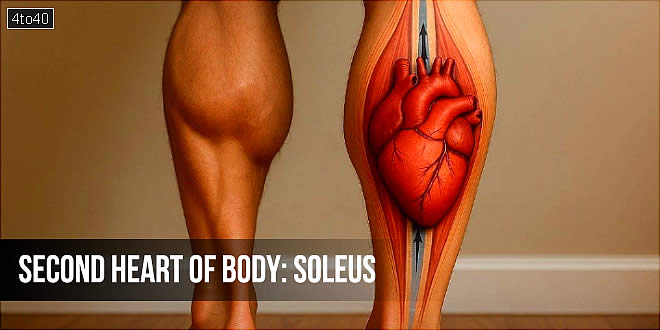
Every step taken, every stretch made, a hidden muscle in the legs is hard at work. It doesn’t just help with balance or movement, it supports one of the body’s most vital systems, circulation.
The heart doesn’t work alone. In our legs, there’s another one… a muscle… and it is called the Soleus. This deep, silent muscle also “beats” for us, but not with electrical impulses, but with movement.
The term “second heart” is used to describe the calf muscle pump system, particularly the soleus (and gastrocnemius muscles) in the lower legs. These muscles assist the cardiovascular system by pushing blood upward from the legs back to the heart, especially during walking or movement.
Location: It is in the back of our leg, hidden beneath the gastrocnemius (a calf muscle). When we activate it, it improves circulation, prevents blood clots and venous stasis, reduced leg swelling, protects our cardiovascular health and the best part, it works even when we are standing still.
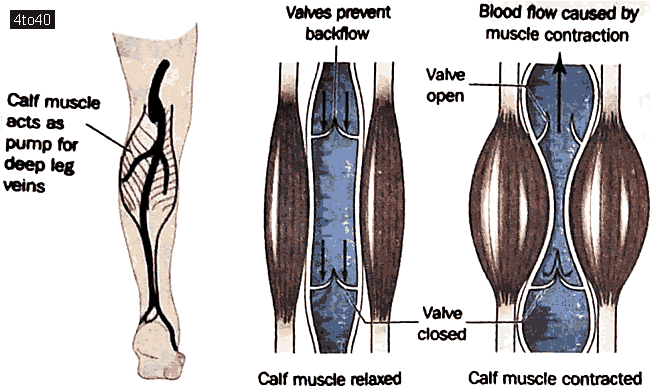
The veins in our legs have valves that prevent blood from flowing backward, but the muscle contraction helps push the blood up, ensuring efficient circulation.
When we walk, run or even just move around, our calf muscles contract. This action acts like a pump, helping blood flow upwards through the veins in our legs and back to the heart. This is particularly important for
maintaining circulation in the lower body, where gravity works against blood flow.
Importance:
Counteracts gravity: Blood pumped from the heart to the legs must return against gravity. The calf muscles contract and squeeze the veins, propelling blood upward.
Supports venous return: This helps prevent pooling of blood in the lower limbs and reduces the risk of conditions like varicose veins, deep vein thrombosis (DVT) and chronic venous insufficiency. During walking, running or even standing on tiptoe, these muscles compress the deep veins in the legs, pushing blood upward. This mechanism is especially crucial for people who sit or stand for long periods.
Advantage:
Reduces cardiac strain: A strong calf pump eases the workload on the heart, especially during physical activity.
How to activate our “Second Heart”:
To keep calf pump strong and effective:
- Regular walking (especially brisk walking)
- Heel raises and toe lifts
- Stretching and strengthening exercises for the lower legs,
- Avoid prolonged sitting or standing without leg movements.
“One” heart: The human body has a single physical heart, a four-chambered organ that pumps blood.
“Second” heart: The calf muscles function as a “second heart” by contracting to help move blood yet lymph fluid back up from the lower body against gravity, towards the heart.
“Third” heart: Abdominal breathing (उदर श्वसन) helps to massage our internal organs, which aids in fluid movement, digestion and the distribution of lymphatic fluids.
Benefits of Standing up:
- Stimulates the baroreceptors
- Activates the calf muscles as a second heart
Yoga and Vedanta speak of Three hearts:
- a physical heart;
- a psychological heart (representing the mind) and
- a spiritual heart.
This mechanism is especially crucial for people who sit or stand for long periods.
Some Important Asanas:
1. Tadasana (Mountain Pose, खड़े होकर ताड़ासन)
- How it helps: Engages calf muscles through active standing and grounding.
- Tip: Lift heels slowly and hold to intensify the pump (calf muscles).
2. Utkatasana (Chair Pose घुटना संचालन)
- How it helps: Deep bend in knees activates calves and thighs.
- Tip: Try pulsing gently up and down to stimulate venous return.
3. Virabhadrasana I & II (Warrior Poses)
- How it helps: Strong leg engagement, especially in the back leg, activates calf muscles.
- Tip: Focus on pressing the back heel into the mat.
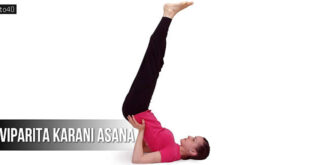
4. Viparita Karani (Legs-Up-the-Wall Pose)
- How it helps: Passive inversion supports venous return without muscular effort.
- Tip: Combine with ankle rotations for added stimulation.
5. Pashchimottanasan (Seated Forward Bend)
- How it helps: Stretches the back of leg muscles, including calves.
- Tip: Flex toes toward you to deepen calf activation.
6. Trikonasana (Triangle Pose)
- How it helps: Engages the legs and improves balance, indirectly stimulating calf muscles.
- Tip: Keep both legs active and grounded.
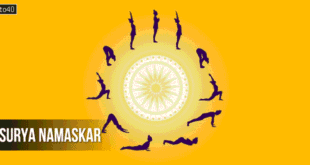
7. Sun Salutations (सूर्य नमस्कार) 5th Pose
- How it helps: By bending forwards, it stretches calf muscles along with back muscles.
- Tip: Do not bend knees, while bending forwards.
Practices like Pranayam and Meditation can reduce resting heart rate and respiratory rate.
Amazing Facts:
- The human heart beats over 100,000 times a day. The average heart beats 2.5 to 2.6 billion times over a lifetime.
- Pumps 7500 litres of blood daily, through 1 lakh km of blood vessels every day.
- Generates enough energy to drive a truck 32 kms. every single day.
- The heart has its own electrical impulse system and can continue beating even when disconnected from the body (in certain conditions).
- Blood flow speed: The heart can vary its blood output from 5 to 30 litres per minute, depending on activity level.
- The heart begins beating before you’re born, around 4 weeks into gestation.
- Heart-brain connection: The heart sends more signals to the brain than the brain sends to the heart, influencing emotional regulation and stress response.