 Kids Portal For Parents India Kids Network
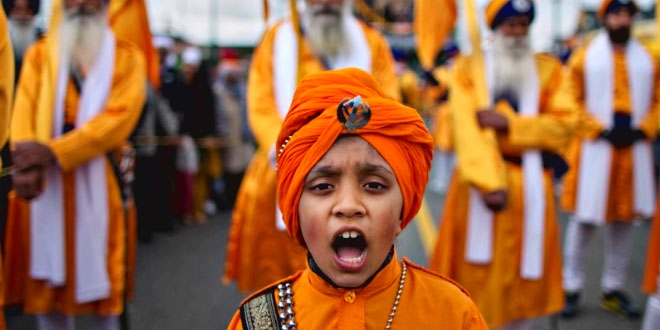
Baisakhi festival derives its name from the month of Vaisakha (April-May) in which this day occurs. It invariably falls on the 13th of April every year, though once in 36 years it occurs on April 14th. On this day people bathe in the sacred tanks, rivers, pools and wells early in the morning, dress themselves in festival clothes, and visit shrines, temples and gurdwara to offer prayers and worship.
It is a north Indian festival, but it is observed in Punjab with special enthusiasm and fervor. The people of Punjab performs bhangra dances, sing folk songs to the tune of rolling drums. Exchange greetings, enjoy feasts and such other merry making with gay abundance. For the Sikh community Baisakhi has a very special meaning. It was on this day that the last Guru Gobind Singh organised the Sikhs into Khalsa or the pure ones. By doing so, he eliminated the differences of high and low and established that all human beings were equal.
For Hindus, it’s the start of the new year, and is celebrated with requisite bathing, partying, and worshiping. It’s believed that the goddess Ganga descended to earth thousands of years ago, and in her honor many Hindus gather along the sacred Ganges River for ritual baths. The action is centered in the holy cities along the Ganges in north India, or in Srinagar’s Mughal Gardens, Jammu’s Nagbani Temple, or anywhere in Tamil Nadu.
In Kerala the festival is called Vishu, and includes fireworks, shopping for new clothes and interesting displays called Vishu Kani. These are arrangements of flowers, grains, fruits, cloth, gold, and money are viewed early in the morning, to ensure a year of prosperity. In Assam, the festival is called Bohag Bihu, and the community organizes massive feasts, music, and dancing.
This also marks the beginning of a month long Vaisakha bathing. The pilgrimage to the holy shrine of Badrinath, in the Himalayas, also commences from this day. The charities done during Vaisakha month are believed to earn great religious merits and so people generously give money, grains and other things to the poor and needy and the Brahmins, and observe fast, chant the glories of the lord and practice such other pious activities.

9 comments
Pingback: What is Significance of Baisakhi? – Kids Portal For Parents
Pingback: What is History of Baisakhi? Sikh New Year & Khalsa Panth – Kids Portal For Parents
Pingback: Significance of Baisakhi: Astrological Significance – Kids Portal For Parents
Pingback: Baisakhi Customs: Harvest Festival Rituals & Traditions – Kids Portal For Parents
Pingback: Baisakhi Celebrations: Khalsa Panth Foundation – Kids Portal For Parents
Pingback: What are Baisakhi Customs and Rituals? – Kids Portal For Parents
Pingback: Baisakhi Greetings For Sikhs & Hindus – Kids Portal For Parents
Pingback: Baisakhi Quotes For Students & Kids – Kids Portal For Parents
Pingback: Baisakhi Facebook Covers: Harvest Festival Banners & Posters – Kids Portal For Parents