 Kids Portal For Parents India Kids Network
World Sanskrit Day: The day celebrates Sanskrit, an ancient and sacred language, showcasing its rich literary heritage, spiritual texts, and scientific contributions.
World Sanskrit Day: World Sanskrit Day or Sanskrit Diwas is observed on August 09 annually. The day celebrates the importance and uniqueness of Sanskrit, the language of god. Sanskrit Day was first observed at the Central and State levels in 1969, under orders from the Indian Ministry of Education. It acts as a platform for Sanskrit students, poets, and writers to showcase their love for the language on a national and international scale.
World Sanskrit Day: Date
- 2025: 09 August, 2025 [Saturday]
- 2026: 28 August, 2026 [Friday]
- 2027: 17 August, 2027 [Tuesday]
- 2028: 05 August, 2028 [Saturday]
World Sanskrit Day is observed every year on the full moon day in the Hindu month of Saravana also known as Saravana Poornima.
Also referred to as Vishwa Samskrita Divas, this occasion honors Sanskrit, one of the world’s most ancient and respected languages, this usually falls in the month of August according to the Gregorian calendar.
Recognized as the “Language of the Gods,” Sanskrit represents a vital part of India’s spiritual, cultural, and intellectual legacy.
Background: Vishwa Samskrita Dinam
In ancient India, this day held deep academic and spiritual significance. It marked the beginning of the school year in gurukulas, traditional centers of learning, where students embarked on their Vedic studies following the Upakarma Sanskar.
This sacred tradition includes the wearing of the Yajñopavita, or sacred thread, which marks a new beginning in one’s pursuit of education and a lifelong dedication to learning.
World Sanskrit Day also falls on the same day as Raksha Bandhan and Rishi Parv, a festival that honors the ancient sages, or rishis, who are seen as the first keepers of Sanskrit knowledge and wisdom.
The alignment of World Sanskrit Day with these festivals is deeply symbolic, as it celebrates the heritage of those who safeguarded India’s language, culture, and enduring knowledge.
History of Sanskrit Language:
Sanskrit is one of the oldest and most respected languages in the world. It has a long and rich history that spans over 3,000 years.
From ancient times to the present day, Sanskrit has played an important role in religion, literature, science, and education across India and beyond.
Sanskrit originated as Vedic Sanskrit, which was used in the Rigveda, one of the oldest known texts dating back to around 1500 BCE.
The Vedas, considered the earliest sacred scriptures of Hinduism, were composed and transmitted orally over generations. In its early form, Sanskrit was primarily a spoken language and initially lacked a formalized grammar system.
Around 500 BCE, the great scholar Panini wrote the Ashtadhyayi, a detailed grammar book that set the rules for Classical Sanskrit. His work helped standardize the language and made it easier to learn and teach.
This version of Sanskrit became the base for most religious, philosophical, and literary texts in ancient India.
Sanskrit became the main language of Hinduism, Buddhism, and Jainism. Many important scriptures, like the Bhagavad Gita, Upanishads, and Ramayana, were written in Sanskrit.
It was used in temples, rituals, and scholarly discussions. Over time, it spread to other parts of Asia, including Nepal, Tibet, Sri Lanka, and Southeast Asia.
Sanskrit literature was prominent from 500 BCE to 1000 CE. Authors, poets, and scientists wrote everything from love stories to math in it.
Famous works include Kalidasa’s plays, Aryabhata’s astronomy, and Charaka’s medical texts.
After the 12th century, Sanskrit slowly declined as regional languages became more popular. However, it remained a language of learning, especially in religious and academic settings.
Monks, priests, and scholars kept Sanskrit alive by continuing to study and teach it in traditional schools called gurukuls.
Although not widely spoken in daily life, Sanskrit is still taught and respected in India and around the world.
Numerous Indian languages, such as Bengali, Marathi, and Hindi, have developed from Sanskrit and retain its vocabulary and grammatical structure.
Sanskrit is also one of the 22 official languages recognized by the Indian Constitution and continues to be used in religious rituals, traditional chants, and classical music.
Importance of Sanskrit Language:
While some believe Sanskrit is a “dead language,” that’s far from the truth. Sanskrit continues to be taught in schools, spoken in a few villages, and actively used in prayers and religious rituals across India.
It has significantly shaped many Indian languages and forms the foundation for numerous spiritual and scientific terms.
Organizations like Samskrita Bharati are working to revive interest in the language by conducting workshops, courses, and camps that make Sanskrit accessible and engaging.
Since 1969, the Indian government has supported Sanskrit Day through poetry readings, student debates, and verse recitation competitions.
Sanskrit is more than just ancient scriptures or complex grammar. It is the language behind India’s traditional knowledge systems, including yoga, Ayurveda, astronomy, and logic.
Learning Sanskrit allows us to explore these subjects in their original form, preserving their meaning and depth.
Reviving Sanskrit is a way to protect this cultural heritage and pass it on to future generations. It offers a direct connection to India’s profound and enduring legacy.
Honoring World Sanskrit Day:
To celebrate World Sanskrit Day in a meaningful and accessible way, start by learning basic Sanskrit phrases such as greetings or self-introductions.
Consider joining a local or online workshop to deepen your understanding.
Many cultural organizations and universities offer lectures, crash courses, and storytelling sessions focused on Sanskrit. For those who prefer flexibility, webinars are a great option that allows you to participate from the comfort of your home.
Engaging with the language on social media is another effective way to celebrate. Share your favorite Sanskrit quotes or shlokas and use relevant hashtags like #WorldSanskritDay or #SanskritIsCool to join a broader conversation and raise awareness.
Delve into Sanskrit literature by exploring translated texts such as the Bhagavad Gita, Kalidasa’s works, or ancient poetry. These writings offer profound insights into India’s cultural and philosophical traditions.
If you’re part of a school, college, or cultural group, organizing a Sanskrit-themed event can be a memorable way to mark the occasion.
Activities like poem recitations, hymn singing, and traditional dress celebrations can help spread awareness and appreciation for the language.
Preserving Sanskrit is important not only because of its linguistic value but also because it carries the wisdom, stories, and heritage of ancient India.
Celebrating World Sanskrit Day reminds us that the language is a vital part of our collective history, and with effort, it can continue to inspire and educate future generations.
Greetings & Picture Cards For Social Media:
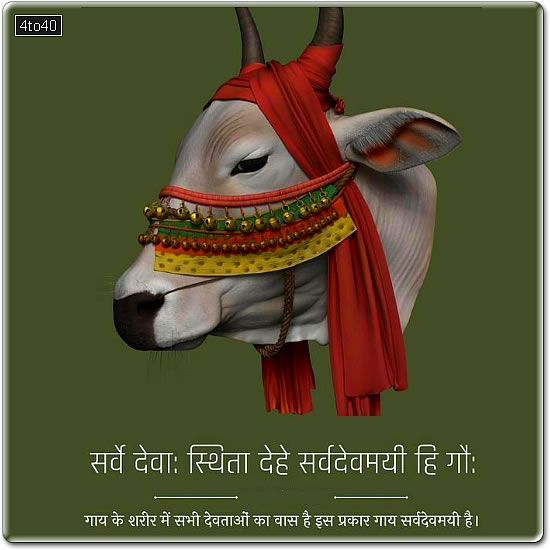
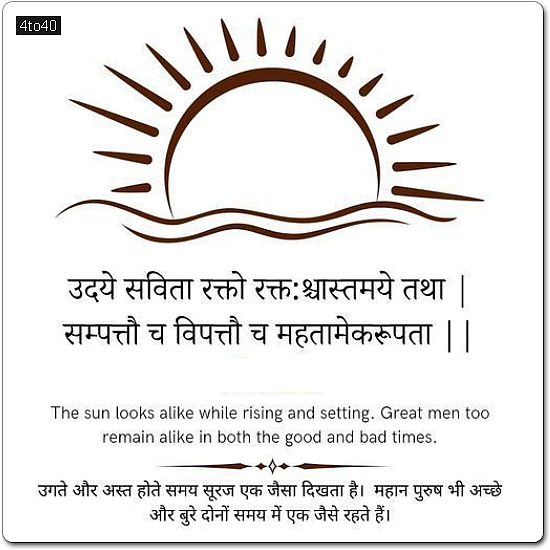
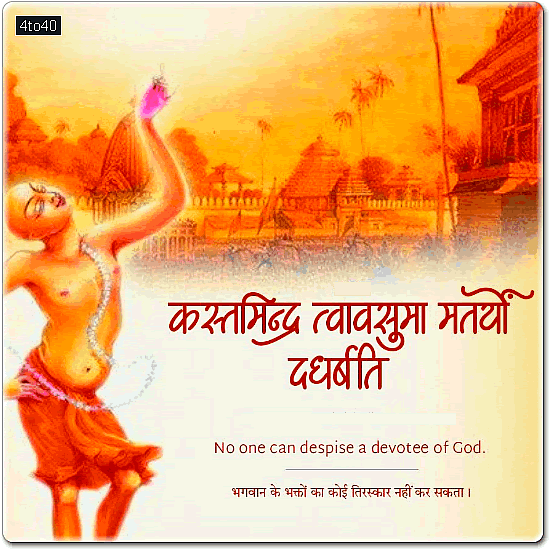
13 Amazing Facts About Sanskrit:
- Sanskrit, an old Indo-Aryan language, with a documented history of nearly 3,500 years, is said to be the primary liturgical language of the Hindu culture.
- Sanskrit has been written both in Devanāgarī script and in various regional scripts.
- It is the official state language of Uttarakhand.
- Sanskrit is recognized in the constitution of India as both a classical language and an official language and continues to be used in scholarly, literary, and technical media, as well as in periodicals, radio, television, and film.
- Many English words originated from Sanskrit.
- Sanskrit is similar to other early Indo-European languages such as Greek and Latin.
- Sudharma is the first and only Sanskrit newspaper in the world that has been published since 1970.
- Sanskrit was the national language of India before the Arab invasion.
- People of Karnataka’s Mattur village still use Sanskrit as their main language.
- According to a study of Forbes Magazine, Sanskrit is one of the most computer-friendly languages.
- Germany is a country with around 14 universities offering Sanskrit courses. It seems people are loving Sanskrit.
- Sanskrit is the language with the largest vocabulary in the world.
- Sanskrit has been an inspiration for Classical and Carnatic music of India.
Sanskrit Diwas holds great cultural and linguistic significance in the world. The day advocates the promotion and preservation of Sanskrit as a language for a better understanding of Indian spiritual texts, philosophy, culture traditions etc. Also, the day makes sure that the legacy of age-old language remains for decades to come.