 Kids Portal For Parents India Kids Network
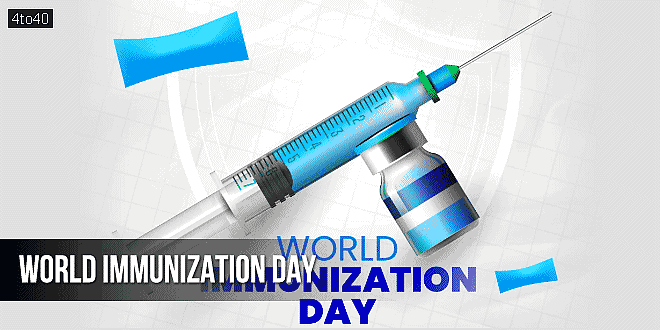
World Immunization Day is observed globally every year on November 10. Initiated by the World Health Organization (WHO) in 2012, this annual public health awareness day underscores the life-saving impact of vaccines and aims to scale up immunization coverage to protect individuals of all ages against debilitating infectious diseases.
World Immunization Day: Date
- 2026: 10 November, 2026 [Tuesday]
- 2027: 10 November, 2027 [Wednesday]
- 2028: 10 November, 2027 [Friday]
Introduction:
World Immunization Day, observed annually on November 10, aims to raise awareness about the vital role vaccines play in preventing infectious diseases and protecting public health. Immunization is one of the most effective and cost-efficient intervention for controlling and eradicating diseases, saving millions of lives globally each year. Vaccines help protect individuals from diseases like measles, polio, tuberculosis, and COVID-19. By reducing the incidence of infectious diseases, immunization not only safeguards individuals but also strengthens community health by building herd immunity. This day encourages governments, healthcare providers, and communities worldwide to emphasize the importance of vaccines and extend immunization coverage, especially to underserved populations.
In India, World Immunization Day is particularly significant due to the unique challenges the country faces in reaching remote areas. Further, children, in particular, remain at significant risk because they are either unimmunized or partially immunized against vaccine-preventable diseases. Partially immunized and unimmunized children are most susceptible to childhood diseases and are at a much higher risk of dying as compared to fully immunized children.
Immunization has been a central focus in India’s public health strategy for decades, leading to remarkable progress in reducing disease prevalence and child mortality rates. World Immunization Day thus serves as an opportunity to reaffirm India’s commitment to achieving universal immunization and to reflect on the progress made through landmark initiatives, including the Universal Immunization Programme and Mission Indradhanush. This day also highlights the need for continued efforts to ensure every individual has access to life-saving vaccines.
Importance of World Immunization Day:
Immunization is one of the most powerful tools available to prevent infectious diseases, saving millions of lives every year. Vaccines not only protect the individuals who receive them, but also reduce the spread of diseases in communities, helping to create a barrier against outbreaks. The importance of immunization can be seen in its ability to:
Prevents Disease:
Vaccines prevent illnesses that can be deadly or lead to long-term complications. For example, diseases like polio, measles, and smallpox have been greatly reduced or even eradicated thanks to global immunization efforts.
Protects Vulnerable Populations:
Some individuals, such as infants, the elderly, pregnant women, or those with weakened immune systems, may be more vulnerable to diseases. Vaccines offer these groups a level of protection through herd immunity when vaccination rates are high in the broader community.
Fights Emerging Threats:
Immunization helps safeguard against new diseases, such as the rapid rollout of COVID-19 vaccines, demonstrating how vaccines can curb the spread of novel diseases and prevent widespread outbreaks.
History of World Immunization Day:
World Immunisation Day was launched in 2012 by the World Health Organization (WHO) as part of a broader strategy to increase vaccination rates around the world and achieve universal immunisation coverage. It serves as a platform to remind governments and individuals of the critical role that vaccines play in preventing deadly diseases.
Historically, vaccination efforts have significantly decreased the incidence of many deadly diseases. The development of the smallpox vaccine in the 18th century led to the eventual eradication of the disease. In the 20th century, immunisation campaigns for polio, measles, and diphtheria, among others, led to significant reductions in global morbidity and mortality. The establishment of World Immunisation Day aims to continue this momentum by promoting continued progress in vaccine coverage and encouraging global cooperation.
Benefits of Immunization:
Here are some benefits of immunization:
- Prevention of Life-Threatening Diseases: Vaccines are a powerful tool in preventing serious and sometimes fatal diseases. Immunization prevents complications such as hospitalization, long-term health effects, and death that would otherwise result from the diseases.
- Community Protection: Widespread vaccination leads to mass immunity, which occurs when a large group of the population becomes immune to a disease, either through vaccination or prior infection. Community immunity makes it difficult for a disease to spread, protecting even those who cannot be vaccinated, such as infants, people with certain health conditions, and the elderly. This creates a collective shield against outbreaks.
- Reduction in Healthcare Costs: Vaccines are a cost-effective way to prevent diseases. Immunization programs save both healthcare systems and families from the financial burden of treating preventable diseases. The long-term savings from avoided hospitalizations, treatments, and long-term care due to vaccine-preventable diseases are substantial.
- Global Health Security: Immunization is vital for ensuring global health security. Vaccines not only protect individuals within national borders but also prevent the international spread of diseases. In a globalized world, infectious diseases can quickly cross borders, making immunization a critical component of preventing pandemics. The rapid development and distribution of COVID-19 vaccines highlighted how immunization can be a central strategy in controlling the spread of a new global health threat.
- Eradication of Diseases: The global success of vaccination campaigns has led to the eradication of smallpox and has brought polio to the brink of extinction. By maintaining high vaccination coverage rates, the world could potentially eliminate other diseases as well.
- Reduction of Disease Transmission: Immunization helps in reducing the transmission of infectious diseases, not only by preventing illness in vaccinated individuals, but also by limiting the pool of individuals who can spread diseases.