 Kids Portal For Parents India Kids Network
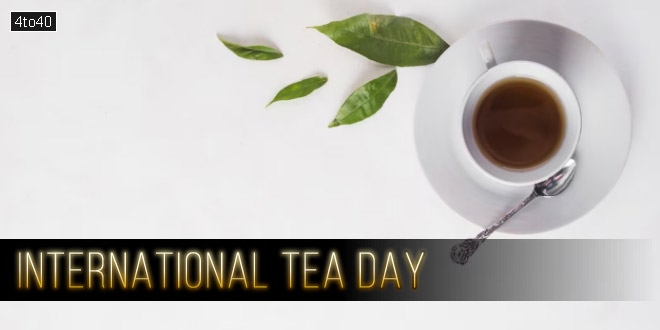
अंतर्राष्ट्रीय चाय दिवस: दुनियाभर में गर्मागर्म चाय के शौकौन लोगों कौ कमी नहीं। ज्यादातर लोगों के दिन कौ शुरूआत ही चाय से होती है। दुनियाभर में एक बात बहुत सामान्य मानी जाती है, वह है भारतीयों की चाय पीने कौ आदत। कुछ इसे लत कहते हैं तो कुछ जिंदगी की खुराक लेकिन शायद कम ही लोग जानते हैं कि मेहमाननवाजी की प्रतीक चाय का भी अपना एक विशेष दिन है। हम बात कर रहे हैं 21 मई को मनाए जाने वाले “अंतर्राष्ट्रीय चाय दिवस” की।
अंतरराष्ट्रीय चाय दिवस: 21 मई का दिन चाय लवर्स का पसंदीदा दिन है
पहले दुनियाभर में 15 दिसम्बर को “अंतर्राष्ट्रीय चाय दिवस” मनाया जाता था और अब 21 मई को मनाया जाने लगा है। इसके पीछे भारत की अहम भूमिका है क्योंकि भारत ने हौ चाय को उसका हक दिलाया है।
दरअसल, दुनियाभर में चाय उत्पादक देश 2005 से 15 दिसम्बर को हर साल अपने स्तर पर “अंतर्राष्ट्रीय चाय दिवस” मनाते रहे हैं क्योंकि तब तक इसे संयुक्त राष्ट्र की ओर से मान्यता नहीं दी गई थी। इसे लेकर भारत सरकार ने बड़ी पहल कौ और 2015 में संयुक्त राष्ट्र के खाद्य एवं कृषि संगठन के माध्यम से आधिकारिक तौर पर “अंतर्राष्ट्रीय चाय दिवस” मनाने का प्रस्ताव रखा जिसे स्वीकार कर लिया गया। इसके बाद संयुक्त राष्ट्र संघ ने 21 दिसम्बर, 2019 को एक संकल्प प्रस्ताव पारित किया और 21 मई को “अंतर्राष्ट्रीय चाय दिवस” घोषित किया गया।
चाय का उत्पादन तो कई देश करते हैं। भारत इस मामले में दुसरे पायदान पर है लेकिन चाय के उपभोग के मामले में भारत पहले स्थान पर है। भारत में चाय की लोकप्रियता और स्वीकार्यता का अंदाजा इससे आसानी से लगाया जा सकता है कि दुनियाभर में चाय के कुल उत्पादन की सबसे अधिक लगभग 30 प्रतिशत खपत यहां होती है।
हालांकि, चाय के भी कई रूप हैं। हर रूप में इसका स्वाद भी अलग है। हर व्यक्ति एक अलग स्वाद के साथ विशेष अंदाज में चाय पीता है। अलग-अलग क्षेत्रों में चाय बनाने के तरीकों में भी भिन्नताएं हैं। सिर दर्द हो रहा हो या वायरल बुखार हो, घर के बड़े-बुजुर्ग आपको इम्यूनिटी बढ़ाने के लिए अदरक, लौंग और कलि मिर्च वाली चाय पीने की सलाह देते हैं।
कुछ इसे इम्यूनिटी बूस्टर जिजर टी कहते हैं, कुछ मसाला टी। किसी को ब्लैक टी पसंद है तो किसी को ग्रीन टी। हालांकि, अधिकांश लोग दूध-चीनी के साथ चायपत्ती को उबाल कर बनने वाली कड़क चाय पीते हैं।
दुनियाभर में चाय कासर्वाधिक उत्पादन एशिया महाद्वीप में होता है, जिसमें भारत, चीन, नेपाल, श्रीलंका जैसे देश शामिल हैं। इन देशों में चाय पीना रोजाना की दिनचर्या से लेकर, समारोहों में भी सामान्य प्रचलन में है।
इसकी सबसे बड़ी खासियत है कि यह आसानी से और बेहद कम लागत में उपलब्ध है। पूर्वोत्तर भारत में हजारों लोग चाय बागानों में काम करते हैं। उनकी आजीविका चाय पर ही निर्भर है।
रोचक तथ्य: चाय के बारे में
- चीन के लोगों ने सबसे पहले चाय पीना शुरू किया। ऐसा कहा जाता है कि चीन के एक राजा “शैन जुंग” के सामने गरम पानी का प्याला रखा गया था, उसमें गलती से चाय की सूखी पत्तियां गिर गई और उस पानी का रंग बदल गया। राजा ने जब इस पेय को पीया तो उसे यह नया स्वाद बेहद् पसंद आया और तब से ही चाय पीने की शुरूआत हो गई।
- भारत में 1835 से चाय पीने की शुरूआत हुई।
- शुरू में चाय केवल सर्दियों में दवाई कौ तरह पी जाती थी। इसे रोज पीने की परम्परा भारत में ही शुरू हुई।
- चाय अफगानिस्तान और ईरान का राष्ट्रीय पेय है।
- चाय उत्पादन में चीन पहले नंबर पर है और भारत लगभग 1350 मिलियन किलोग्राम उत्पादन के साथ दूसरा सबसे बड़ा चाय उत्पादक देश है । पानी के बादचाय ऐसा पेय पदार्थ है, जो दुनिया में सबसे ज्यादा पिया जाता है।
- चाय कई प्रकार की है लेकिन काली, हरी, सफेद और पीली चाय सबसे अधिक प्रचलित हैं।
- अगर चाय की पत्तियों को कुछ देर पानी में भिगो दें और उसकी गंध घर में फैलाएं तो यह प्राकृतिक “मच्छर भगाने वाली दवा” का काम भी कर सकती है।
- आंकड़ों के अनुसार इंगलैंड के लोग रोज चाय के 16 करोड़ कप पीते हैं। इस हिसाब से साल में 60 अरब कप चाय पी जाते हैं।
- ब्लैक टी का इस्तेमाल कुल चाय का 75 प्रतिशत है।
- भारत में चाय का उत्पादन मुख्य रूप से असम में होता है और चाय ही असम का राज्य पेय भी है।
- ब्लैक टी यानी काली चाय की सबसे ज्यादा खपत भारत में होती है।
- अमरीका में 80 प्रतिशत चाय की खपत आइस टी के रूप में होती है।
- तुर्की का हर व्यक्ति रोज 10 कप चाय पी लेता है।
- चाय में एंटीऑक्सीडैंट्स (antioxidant) होते हैं, जो उम्र बढ़ने से आपकी रक्षा करते हैं।
Celebrate International Tea Day on May 21 and discover why tea is more than just a drink. This year’s theme, “Tea for Better Lives,” focuses on how tea plays an important role in improving the lives of millions of people around the world. Learn about the history of International Tea Day, key messages from the FAO (Food and Agriculture Organization), and how tea supports small farmers, workers, and communities. Find interesting tea facts, health benefits, and how tea farming connects to sustainability and climate action.

International Tea Day: Date
- 2026: 21 May, 2026 [Thursday]
- 2027: 21 May, 2027 [Friday]
- 2028: 21 May, 2028 [Sunday]
International Tea Day is an event established by the Food and Agriculture Organisation (FAO) and it is celebrated every year on May 21 to understand the importance of tea in our daily lives, its cultural significance, and its role in fighting poverty and hunger.
The United Nations officially established International Tea Day in 2019, and it was first celebrated on May 21, 2020. The FAO website mentions: “In December 2019, the United Nations General Assembly, supported the call from the Intergovernmental Group on Tea and proclaimed 21 May as the International Tea Day, calling on FAO to lead the observance. The Day aims to raise awareness of the tea sector’s socio-economic relevance as well as its contribution to achieving the 2030 Agenda.”
Further, the Food and Agriculture Organization (FAO) of the United Nations, works with countries, farmers, and organizations all over the world to promote sustainable tea production and trade.
International Tea Day Theme:
- 2025: Tea for Better Lives, highlighting tea’s contribution to livelihoods, sustainability, and health
- 2024: No specific theme
- 2023: Tea and World, Sharing and Enjoying
- 2022: –
Key Messages by FAO for International Tea Day
Each year, the FAO shares important messages and objectives for International Tea Day. Here are some key messages that have been shared by the organisation for the year:
- Tea production and processing represent a source of livelihoods for millions of families, including millions in the least developed countries.
- The tea sector is a multi-billion dollar industry that can support economies and contribute to sustainable food systems.
- Tea export earnings help to finance food import bills, supporting the economies of major tea-producing countries.
- The tea sector plays a vital role in socio-economic development, representing a major source of employment and income for millions of poor families worldwide.
- Tea production and processing empower individuals—especially women—by promoting economic inclusion and strengthening community resilience.
- Tea thrives in very specific agro-ecological conditions and environments, which are often impacted by climate change.
- Smallholder tea producers need our support to strengthen their business model and environment and overcome the challenges they face.
- In order to ensure benefits for both people and the environment, the tea value chain must be efficient and sustainable at all stages, from field to cup.”
5 Interesting Facts About Tea:
Here are some amazing and lesser-known facts about tea shared by FAO and supported by global data:
- Tea is the second most consumed drink after water. It is estimated that billions of cups of tea are consumed every single day around the world.
- Tea is one of the oldest beverages in the world. According to FAO, the first tea is supposed to have been consumed in China over 5000 years ago.
- Drinking tea has many health benefits. The FAO mentions: “Drinking tea can bring many health benefits, from anti-inflammatory to antioxidant and weight loss effects.”
- Tea production is a source of income for millions of families that includes many least developed countries.
- Tea cups were initially made without handles which were influenced by Chinese tea bowls.
In conclusion, International Tea Day is more than just a celebration of a beloved beverage. It is a global reminder of how tea connects us through culture, commerce, and community. Guided by the FAO and the United Nations, this day calls attention to the challenges faced by tea farmers, especially women and smallholders, and encourages everyone to support sustainability, equality, and climate resilience in the tea industry.