 Kids Portal For Parents India Kids Network
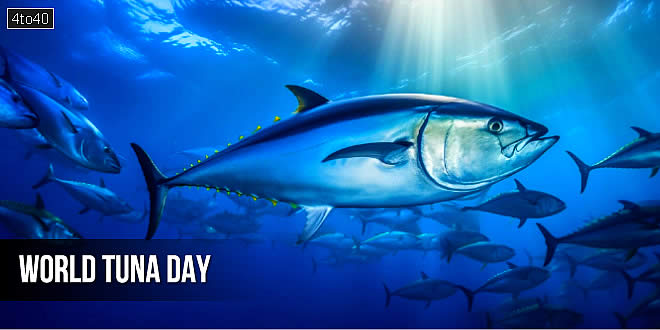
World Tuna Day: It is observed on 2 May and is established by the United Nations (UN) to raise awareness about the importance of tuna fish. The day was first time observed in 2017. Let us read in detail about World Tuna Day.
World Tuna Day: Date
- 2026: 02 May, 2026 [Saturday]
- 2027: 02 May, 2027 [Saturday]
- 2028: 02 May, 2028 [Saturday]
- 2029: 02 May, 2029 [Saturday]
World Tuna Day: Tuna is a fish and is economically important to both developed and developing countries. They are a significant source of food and have amazing qualities, due to which they are threatened by overwhelming demand. According to the UN, approximately 7 million tonnes of tuna and tuna-like species are landed annually.
The main focus of World Tuna Day remains on the issue of overfishing and the importance of preserving them.
World Tuna Day 2024: History
In December 2016, the United Nations General Assembly officially voted to observe the Day in its resolution 71/124. No doubt this movement will underline the importance of conservation management to ensure that they have systems, and equipment to prevent tuna stocks from crashing.
There are several countries that depend upon tuna resources for food security and nutrition, economic development, employment, livelihood, culture, etc. On May 2, 2017, the first World Tuna Day was recognised.
World Tuna Day: Significance
Every year on May 2, there is a celebration known as World Tuna Day to bring attention to the challenges to the tuna species. The United Nations established Tuna Day to raise awareness of the value of tuna, particularly in nations that rely significantly on fishing.
Since some FAO-relevant programmes have started showing positive results in reducing overfishing, the conservation and management of tuna, which has an annual value of almost 10 billion USD, is currently being undertaken by over 96 countries.
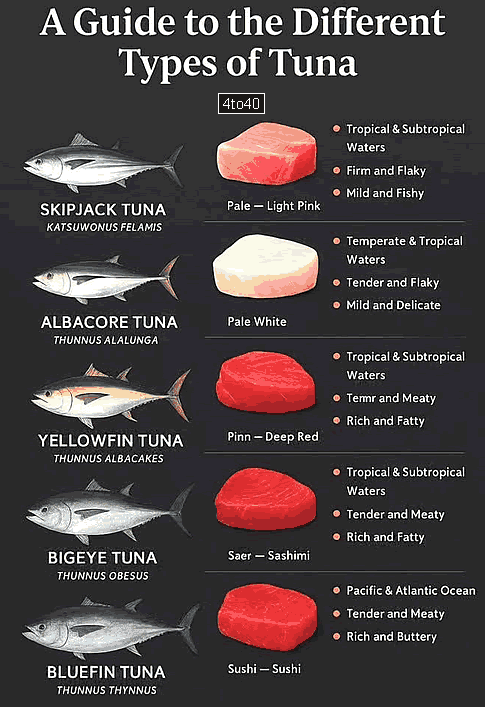
About Tuna:
Tuna is a large fish. They are remarkable and impressive wild animals. The Atlantic bluefin can reach ten feet in length and weigh as much as 2000 pounds. To reduce drag and accelerate the swimming speed, tuna is able to change the position of its dorsal and pectoral fins. Tuna can swim near the surface or can dive to a depth of 3000 feet while it searches for food. They can swim as fast as 43 miles per hour. The average life span of bluefin tuna is between 15 and 30 years in the wild. The dorsal side of the tuna’s body is dark blue and it blends with the ocean floor when observed from the air. The belly of a tuna is silver-white and it blends with the surface of the ocean when observed from below.
Tuna are species of fish and are economically very important. It is also a significant source of food. Approximately 40 tuna and tuna-like species occur in the Atlantic, Indian, and Pacific Oceans and the Mediterranean Sea. Such type of remarkable fish can jump high out of the water, they are warm-blooded. For protection from sharks, they also team up with the Dolphins.
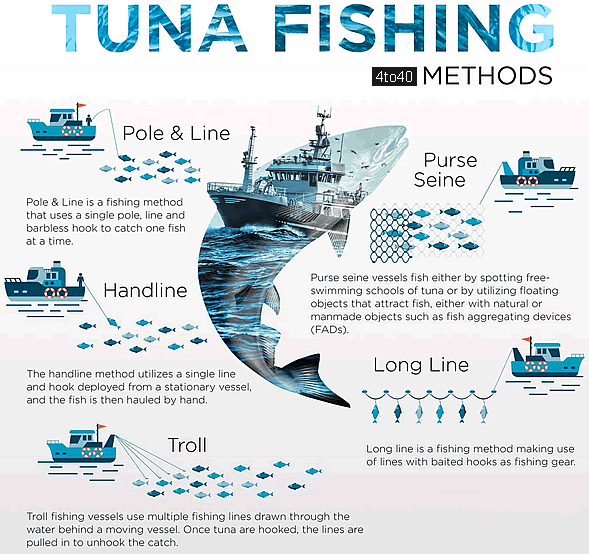
Do you know that these fishes are threatened due to the increase in main products driving the production of tuna that is traditional canned tuna and sashimi or sushi? In terms of species utilised, quality requirements and production systems, these products demonstrate relevant differences. In the canned market, light meat species that as skipjack and yellowfin are dominant whereas, in the sushi and sashimi market, the fatty tuna of bluefin and other red meat species are preferred.
Do you know that approx 7 million tonnes of tuna-like species are landed yearly? Migratory tuna species account for 20 per cent of the value of marine capture fisheries and around 8 percent of all globally traded seafood that is why World Tuna Day is observed by the United Nations to recognise the importance of tuna species around the world.
Therefore, we can say that World Tuna Day is observed on 2 May every year to highlight the importance of tuna fish to the marine ecosystem and the global economy.
Did you know?
If you describe fish as cars, then tuna would be the Ferraris of the ocean – sleek, strong, and known for speed! For thousands of years, humans have been aware of tuna fish. They are incredible natural animals. Their torpedo-shaped bodies streamline their passage through water, and their particular swimming muscles allow them to navigate the ocean highways with ease. On this World Tuna Day, grab some unknown facts about them!
- All forms of tuna represent more than one-third of the total fish and seafood segment in the U.S., and more than half of the finfish segment.
- Canned tuna is the second most popular seafood product in the U.S. after shrimp.
- Americans eat about 1 billion pounds of canned and pouched tuna a year. Only coffee and sugar exceed canned tuna in sales.
- In 2007, Americans ate 2.7 pounds of canned tuna per capita.
- Unopened canned tuna has a recommended shelf-life of up to four years as long as the product has been stored under normal conditions and is not damaged. Pouched tuna has a shelf-life of three years.
- Tuna is a carnivore, feeding on different types of fish, such as mackerel, herring, hake, squids, and crustaceans.
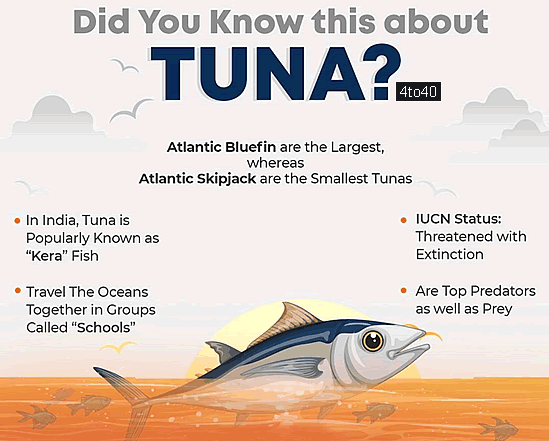
Social Media Banners & Posters:
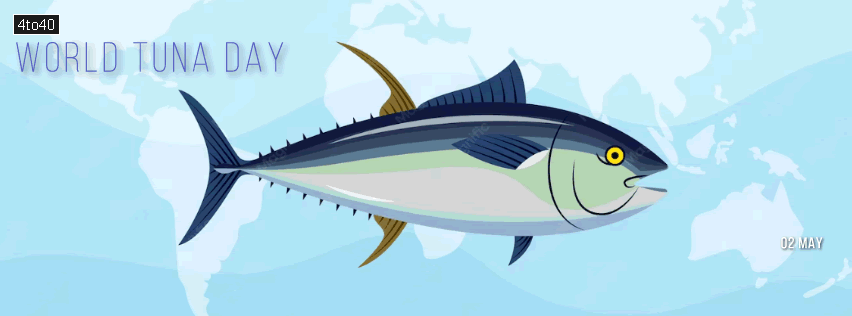
10 Fun Facts About Tuna Fish
- The most popular kind of canned tuna is chunk, light meat in water.
- Light meat (in water or oil) accounts for 75 to 80 percent of annual domestic tuna consumption.
- There are more than two dozen varieties of tuna.
- Blackfin Tuna can be 3.5 feet long.
- Albacore tuna can be as long as 4.5 feet long.
- Atlantic bluefin tuna can be up to about 15 ft.
- The largest tuna specimen found was over 21 feet long and 1,600 pounds.
- Tuna are swift swimmers and can reach a speed between 44 and 62 miles per hour.
- Tuna has the ability to camouflage their skin to blend in with their ocean surrounding.
- Tuna have a are unique ability to maintain a body temperature above that of the surrounding water.







One comment
Pingback: Important Days in May 2026: National, International Dates & Public Awareness Days List – Kids Portal For Parents