 Kids Portal For Parents India Kids Network
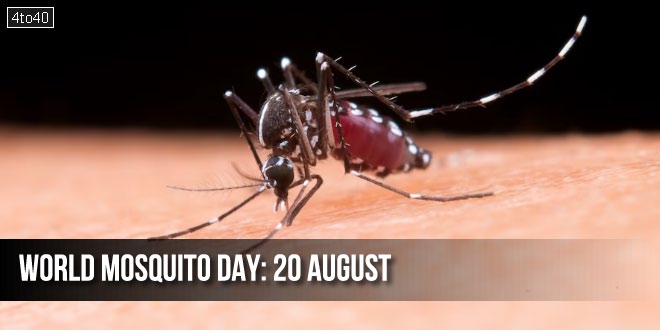
World Mosquito Day 2025: Raising Awareness on Mosquito-Borne Diseases
Mosquitoes are among the most common threats to human health, responsible for spreading various diseases such as malaria, dengue, and chikungunya. These mosquito-borne illnesses contribute significantly to the global disease burden, especially during the monsoon season when stagnant water and humid conditions create the perfect environment for mosquito breeding. Their ability to transmit infections so easily makes prevention and awareness efforts critically important. World Mosquito Day, observed annually on August 20, highlights the need to recognise the health risks posed by mosquitoes and encourages action to reduce their spread. This blog will cover major mosquito-borne diseases, the symptoms to watch for, and important prevention tips. But before getting into that, let’s take a quick look at how this day came about and why it still holds relevance today.
History and Significance of World Mosquito Day
World Mosquito Day is observed every year on August 20 to mark the discovery made by Sir Ronald Ross in 1897. On this day, he confirmed that malaria is transmitted to humans by the bite of an infected female Anopheles mosquito. This breakthrough changed the course of medical research and paved the way for better control and prevention of mosquito-borne diseases.
The day not only honours a key scientific milestone but also serves as a global reminder of the continued threat mosquitoes pose to human health. With diseases such as dengue and malaria still causing illness and death in many parts of the world, the need for awareness and community action remains just as important today. World Mosquito Day aims to inform people about how these diseases spread and what can be done to stop them, from simple household practices to large-scale public health efforts.
What Makes Mosquito-Borne Diseases a Public Health Challenge
Mosquito-borne diseases remain a serious public health concern due to their wide reach, repeated outbreaks, and the strain they place on healthcare systems, especially in regions with limited awareness and resources. These illnesses are not just persistent; they are difficult to predict, manage, and contain. Key factors that make them an ongoing public health challenge include:
- High transmission potential during monsoon: Sudden increases in mosquito populations during rainy seasons often lead to outbreaks that affect thousands within a short span. These spikes are hard to control once they begin, putting pressure on public health systems
- Overburdened healthcare facilities: During outbreaks, hospitals and clinics, especially in rural or underfunded areas, face an influx of patients with high fever, dehydration, and other complications. This can overwhelm existing resources and delay care for other medical needs.
- Disease surveillance gaps: In many regions, there is no real-time tracking of mosquito-borne infections. Without early warning systems, outbreaks are often detected too late, leading to delayed interventions and wider spread.
- Economic and social impact: When large numbers of people fall ill, it affects not only individual families but also school attendance, workplace productivity, and local economies. Recovery takes time, and frequent outbreaks can hold back community development.
- Challenges in prevention and control efforts: Mosquito control relies heavily on community participation, regular monitoring, and coordinated efforts between health departments and local bodies. Inconsistent follow-through makes long-term control difficult.
- Lack of long-term solutions: In many cases, there are no permanent cures or widely available vaccines. Public health programmes must therefore invest continuously in awareness, prevention, and vector control, which requires funding and sustained political will.
Together, these challenges show that mosquito-borne diseases are not just medical issues, they are complex public health concerns that demand both immediate action and long-term commitment.
Which Mosquito-Borne Diseases are Most Prevalent in India?
India sees a high burden of mosquito-borne diseases, especially during the monsoon and post-monsoon months when water accumulation and humidity provide ideal breeding conditions. These illnesses affect both urban and rural populations, sometimes leading to large-scale outbreaks. The most prevalent mosquito-borne diseases in the country include:
Dengue
Dengue is one of the most common and rapidly spreading mosquito-borne diseases in India. It is transmitted by the Aedes aegypti mosquito, which typically breeds in clean, stagnant water found in water tanks, coolers, plant pots, and uncovered containers. Dengue symptoms include sudden high fever, severe headaches, pain behind the eyes, muscle and joint pain, skin rash, and mild bleeding. In severe cases, it can progress to dengue haemorrhagic fever or dengue shock syndrome, which may require hospitalisation.
Outbreaks of dengue are most common in urban and semi-urban areas, particularly during and after the rainy season. Lack of mosquito control, improper waste management, and water storage practices contribute to its spread.
Malaria
Malaria continues to affect several parts of India, particularly in tribal, forested, and rural regions. It is caused by Plasmodium parasites, transmitted through the bite of an infected female Anopheles mosquito. Two main species, Plasmodium falciparum and Plasmodium vivax, are responsible for most cases.
Symptoms include high fever, chills, sweating, vomiting, and fatigue. If not treated in time, P. falciparum malaria can become severe and life-threatening. Despite ongoing government efforts to reduce malaria incidence through surveillance and distribution of insecticide-treated nets, some regions continue to report seasonal surges.
Chikungunya
Chikungunya is another mosquito-borne viral infection spread by Aedes mosquitoes, the same species responsible for dengue. It presents with high fever, skin rash, and intense joint pain, which may persist for weeks or even months after recovery. Although rarely fatal, the prolonged joint pain can significantly affect daily functioning.
Chikungunya is more likely to occur during monsoon season in areas with poor drainage and stagnant water. The symptoms can be confused with dengue, but the joint pain is typically more severe in chikungunya.
Japanese Encephalitis (JE)
Japanese Encephalitis is a viral brain infection caused by the JE virus, spread by Culex mosquitoes that breed in rice fields and waterlogged areas. It primarily affects rural parts of eastern and northeastern India, including states – Uttar Pradesh, Assam, Bihar, and West Bengal. Children are at higher risk of contracting the disease.
The infection can lead to inflammation of the brain, high fever, vomiting, confusion, seizures, and, in severe cases, coma or death. JE outbreaks are more common during the rainy season. Vaccination is available in high-risk areas, but prevention through mosquito control remains essential.
Zika Virus
Although not as widespread as other mosquito-borne diseases in India, the Zika virus has been reported in several states, including Kerala, Uttar Pradesh, Maharashtra, and Rajasthan. It is spread by Aedes mosquitoes and usually causes mild symptoms such as low-grade fever, rash, muscle pain, and conjunctivitis.
The primary concern with Zika is its effect on pregnant women, as it can cause birth defects such as microcephaly in babies. Monitoring, awareness, and mosquito control are especially important in areas reporting outbreaks.
What Symptoms May Indicate a Mosquito-Borne Illness?
The symptoms of mosquito-borne diseases can vary depending on the specific infection, but many begin with general signs that resemble a common viral fever. Some of the most common warning signs include:
- High fever: A sudden rise in body temperature is often the first symptom and can be ]seen in dengue, malaria, chikungunya, and other mosquito-borne illnesses.
- Chills and sweating: Common in malaria, these symptoms usually occur in cycles and are accompanied by weakness.
- Severe headache and body ache: Generalised body pain, especially behind the eyes or in the joints, is a common feature of dengue and chikungunya.
- Joint pain and swelling: Chikungunya is particularly known for causing intense joint discomfort that may last for weeks.
- Skin rash: A red or blotchy rash may develop in dengue, chikungunya, or Zika infections.
- Nausea and vomiting: These may occur across several mosquito-borne diseases and can lead to dehydration if not managed properly.
- Fatigue and weakness: A constant feeling of tiredness and reduced energy levels may persist even after the fever subsides
- Bleeding signs: In dengue, small red spots on the skin, gum bleeding, or easy bruising can indicate low platelet levels and require urgent care.
- Neurological symptoms: In cases of Japanese encephalitis, symptoms may include confusion, seizures, neck stiffness, or even loss of consciousness, indicating possible brain inflammation.
Anyone experiencing these symptoms, especially during mosquito season or after travel to affected areas, should seek medical advice promptly. Early diagnosis can help prevent complications and reduce the spread of infection.
How Can Breeding of Mosquitoes Be Prevented in Residential Areas?
Preventing mosquito breeding around homes and communities plays a vital role in reducing the spread of mosquito-borne diseases. Mosquitoes, especially Aedes and Culex species, lay their eggs in stagnant water, often in everyday household items and surroundings. The following steps can help minimise mosquito breeding in residential areas:
- Remove stagnant water: Empty and scrub water containers such as flower pots, buckets, bird baths, and pet bowls at least once a week. Even small amounts of water can serve as breeding sites.
- Cover water storage containers: Ensure that overhead tanks, barrels, and drums are tightly covered to prevent mosquitoes from entering and laying eggs.
- Clear clogged drains and gutters: Water collecting in blocked drainage systems or roof gutters can go unnoticed and become a breeding ground for mosquitoes.
- Proper waste disposal: Discard unused items such as old tyres, broken buckets, and plastic containers that may collect rainwater. Store recyclable items under cover and in a dry place.
- Use larvicides in water storage units: In areas where water cannot be drained or replaced frequently, applying larvicides can help prevent mosquito larvae from maturing.
- Maintain clean surroundings: Trim overgrown plants and grass, and avoid accumulation of leaf litter and debris that may hold moisture.
- Prevent water logging: Repair leaking taps and pipes, and ensure that water flows away from the house through proper drainage systems.
By maintaining a clean, dry, and well-managed environment, the mosquito population can be significantly reduced, lowering the risk of disease transmission in residential areas.
What Can You Do on World Mosquito Day to Help Tackle These Diseases?
World Mosquito Day is not just a date on the calendar, it’s a reminder that individual and community actions can make a meaningful difference in preventing mosquito-borne illnesses. There are several simple yet effective ways to contribute:
- Raise awareness in your community: Share information about mosquito-borne diseases, symptoms, and prevention methods through social media, local groups, or small gatherings.
- Check your surroundings for stagnant water: Walk around your home and neighbourhood to spot and remove water collected in pots, tyres, coolers, and unused containers.
- Participate in or organise clean-up drives: Encourage neighbours, schools, or resident welfare associations to take part in cleaning areas where mosquitoes are likely to breed.
- Promote safe water storage practices: Encourage the use of tightly covered containers for storing water and educate others about the importance of keeping these clean.
- Support public health initiatives: Cooperate with local health workers during fogging, spraying, or awareness campaigns. Report mosquito breeding sites in public areas to local authorities.
- Protect yourself and your family: Use mosquito repellents, wear long sleeves, and sleep under mosquito nets, especially during peak breeding seasons.
World Mosquito Day is an opportunity to turn awareness into action. Even small, consistent steps at the individual and community level can go a long way in preventing outbreaks and protecting public health.