 Kids Portal For Parents India Kids Network
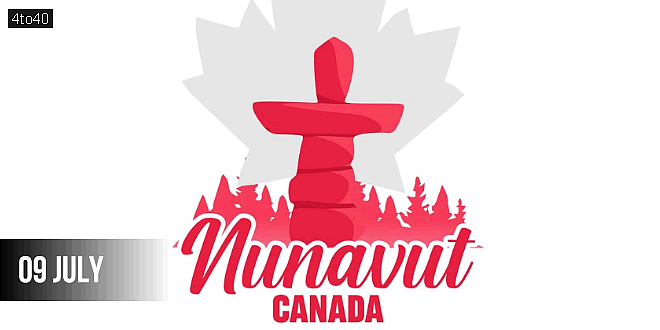
Nunavut Day: Nunavut is a public holiday observed on July 9 every year. It symbolizes the progress made in recognizing and respecting the rights, culture, and way of life of Indigenous communities in Canada.
Nunavut Day is a public holiday in the Canadian territory of Nunavut.
Nunavut Day: Date
- 2025: 09 July, 2025 [Wednesday]
- 2026: 09 July, 2026 [Thursday]
- 2027: 09 July, 2027 [Friday]
- 2028: 09 July, 2028 [Sunday]
Nunavut Day is a celebration of the creation of the Canadian territory of Nunavut. The day honours the rich culture, heritage, and contributions of the Inuit people who call Nunavut home. It is an opportunity to showcase the breathtaking Arctic landscapes, unique wildlife, and the resilience of the Inuit communities. Nunavut Day also serves as a reminder of the ongoing efforts to preserve and protect the Inuit way of life and to foster understanding and respect for Indigenous cultures in Canada.
Origin:
On July 9, 1993, following the passing of the 1982 plebiscite on the question of the division of the Northwest Territories, the Parliament of Canada passed the Nunavut Act, establishing the territory of Nunavut, to come into operation sometime in the future. On April 1, 1999, Nunavut became a legally distinct territory from the Northwest Territories, coming into being as a territory on this date. The following year, in 2000, ‘Nunavut Day’ was celebrated on April 1. However, it was felt that the 1993 Nunavut Land Claims Agreement had greater significance to the people of Nunavut, so the holiday was moved to July 9 the following year.
Why is Nunavut Day a Statutory Holiday?
Nunavut Day is a statutory holiday per the 2001 Nunavut Day Holiday Order. It is a day off for the general population, schools and most businesses in Nunavut. The day celebrates the empowerment of the Inuit people and their ability to govern their own territory. Some major focus of the celebration is:
- Indigenous empowerment
- Cultural Preservation
- Reconciliation and Awareness
- Community Unity
Even though the day has been declared a public holiday in the territory, many businesses and shops are open all day. This day is not observed as a public holiday for federal employees of the Canadian federal government, despite the fact that it is for their territorial counterparts.
Significance:
Nunavut Day commemorates the historic creation of the territory of Nunavut on April 1, 1999. It marked a major milestone in Canadian history, recognizing the rights and self-governance of the Inuit people in their traditional lands. This day highlights the rich Inuit culture, heritage, and traditions. It provides an opportunity for Inuit communities to showcase their arts, music, dance, storytelling, and language, fostering pride and preserving their unique cultural identity. Nunavut Day brings communities together in celebration. It is a time for people to gather, strengthen social bonds, and enjoy festivities such as parades, feasts, sports competitions, and cultural events. It fosters a sense of belonging and pride in being part of the vibrant and diverse Nunavut community.
The day serves as a reminder of the ongoing efforts to preserve and protect the Inuit way of life and to foster understanding and respect for Indigenous cultures in Canada. This particular day is marked by various festivities, including traditional music and dance performances, art exhibitions, storytelling, and community gatherings. Also, Nunavut Day Cultural and Academic Grants are given to ten young hopefuls, and the recipients are chosen based on how well they support and preserve Inuit culture, along with students looking to enrol in postsecondary academic programmes are given grants.