 Kids Portal For Parents India Kids Network
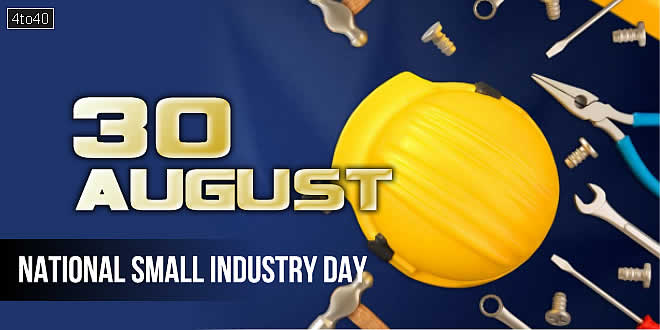
National Small Industry Day is observed annually in India on August 30 to recognize the vital contributions of Micro, Small, and Medium Enterprises (MSMEs) to the nation’s economic and social development. The day promotes entrepreneurship, highlights government schemes and policies for MSMEs, and celebrates their crucial role in generating employment, fostering innovation, and achieving balanced growth across urban and rural areas.
National Small Industry Day: Date
- 2025: 30 August, 2025 [Saturday]
- 2026: 30 August, 2026 [Sunday]
- 2027: 30 August, 2027 [Monday]
- 2028: 30 August, 2028 [Wednesday]
The Micro, Small and Medium Enterprises (MSME) sector contributes significantly not only to the nation’s economy but also its social development. The small sector industries, which is one of the parts of MSME, comprises various manufacturing and services industries that strengthen MSME. To recognise the value that these small-scale industries bring to the country, 30th August is celebrated as National Small Industry Day in India. In this article, you can get information on National Small Industry Day, its history and significance.
History:
In the Union Budget 2000-2001, the then Prime Minister announced a comprehensive policy package for small-scale industries (SSI) and tiny sectors on 30th August 2000. The package included raising the exemption for excise duty to ₹1 crore, providing credit-linked capital subsidy, raising the limit of investment, raising the limit of composite loans to ₹25 lakh, raising the family income eligibility, etc. After the launch of the policy, 30th August 2000 was named the National Small Industry Day.
Significance:
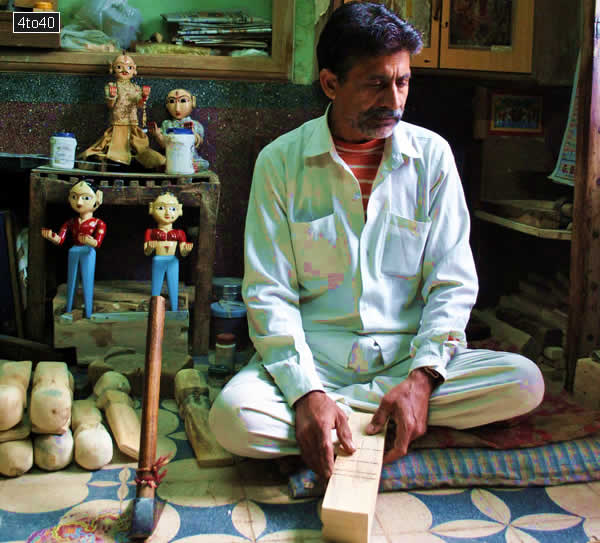
As a developing nation, the small-scale industry is the backbone of the nation’s economy. Therefore, it is crucial that this sector be strengthened through government policies. These industries boost economic growth as they create jobs, drive innovation and promote local development.
By providing employment opportunities, they can potentially help to reduce poverty and boost income levels, stimulating consumer spending and demand. These industries also enhance the resilience of the economy by diversifying its base and fostering entrepreneurship, which can lead to sustainable growth and economic stability. Additionally, they can also help bridge gaps between urban and rural areas by fostering inclusive development.
About Small-Scale Industries:
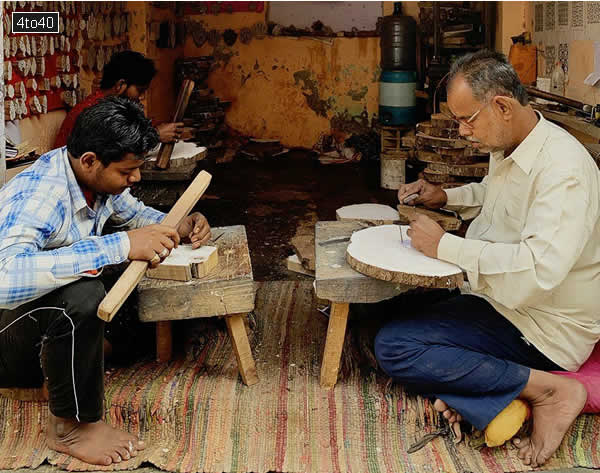
Small-scale industries can be defined as units that have an investment in plant and machinery or equipment of ₹1 crore. SSIs manufacture or provide services on a smaller scale. Industries typically include handicrafts, handlooms, khadi, coir, sericulture, power looms, etc. SSIs also include ancillary industries engaged in the manufacturing or production of parts, components, sub-assemblies, etc.
Small-scale industries can help strengthen the local economy through entrepreneurship and job opportunities, which, in turn, can strengthen the nation’s economy. SSIs are a part of the Ministry of Micro, Small and Medium Enterprises (MSME).
About National Small Industries Corporation (NSIC) Ltd.
The NSIC is a Government of India enterprise under the Ministry of MSME. The NSIC promotes and supports the MSME sector by providing integrated support services to small-scale industries.
Small-Scale Industries: Key Reforms & Achievements
The Ministry of MSME has introduced various reforms to boost the small industries:
- The NSIC provided entrepreneurship and skill development training to 7,068 individuals and provided Common Facility Services to 3,970 micro and small enterprises.
- 289 Khadi institutions received ₹2,147.39 lakh under the Modified Market Development Assistance (MMDA) scheme.
- The Central Coir Research Institute (CCRI) organised a technology upgradation study visit for 30 entrepreneurs from the Sindhudurg Coir and Allied Products Manufacturers’ Association in Maharashtra, as part of the Maharashtra State Industrial Cluster Development Program (MSICDP).
- Small-scale units can register for SPRS and can be eligible to get the benefits under Public Procurement Policy for MSEs.
- CHAMPIONS is an online platform that supports MSMEs by resolving grievances and providing assistance throughout their business lifecycle.
- The National SC-ST Hub (NSSH) promotes entrepreneurship among SC-ST communities, targeting a 4% procurement goal and supporting market linkages, financing and capacity building.
- On September 17, 2023, the Hon’ble Prime Minister launched the PM Vishwakarma scheme, which provides recognition through a certificate and ID card, skill upgradation, toolkit incentives and access to collateral-free credit. The scheme also offers incentives for digital transactions and marketing support to beneficiaries.
- A Scheme for Promotion of Innovation, Rural Industries & Entrepreneurship (ASPIRE) aims to create jobs in the agro-rural sector by setting up Livelihood Business Incubators (LBIs) and providing skill development and incubation programs for rural youth, women and the unemployed.
Key Objectives:
- Promotion of Small-Scale Industries: To encourage and promote the sustenance and growth of small-scale industries, the recognition of their crucial role in the economy of the nation being kept in view.
- Creating Employment Opportunities: Seek to create employment opportunities, particularly for the unemployed youth, in the expansion and development of small industrial business.
- Economic Development: To capitalize on small industries as the backbone of economic development to provide for overall balanced-Industrial development in India.
- Recognition of Support: To honor small-scale entrepreneurs and artisans for sustaining cultural heritage and nurturing innovations.
- Policy Promotion: To promote governmental initiatives and policy supports for small industries to help overcome their constraints such as finance, technology, and market.
- Inclusive Development: To induce rural and urban populations to partake in the industrial domain, carving out inclusive socio-economic development.
- Skill Development and Innovation: To encourage upgrading of skills, adoption of technology, and entrepreneurial spirit among the stakeholders of small industries.
Main Events and Activities:
In 2025, National Small Industry Day celebrates the critical position that small industries occupy in India in economic advancement and employment generation. Key activities include:
- Inaugural Ceremonies: The Ministry of Micro, Small and Medium Enterprises (MSME) organizes the inauguration event, with speeches stressing the importance of small industries in nation-building.
- Award Function: Presentation of National Awards to entrepreneurs and small businesses distinguished in innovation, growth, and sustainability.
- Workshops and Seminars: To deliberate upon issues facing small industries on financing, technology adoption, and government support schemes.
- Skill Development: Practical training for artisans and entrepreneurs to enhance productivity and innovation.
- Public Awareness: Campaigns to promote the importance of small industries and entrepreneurship and to appraise the government schemes supporting the industry.
- Educational Activities: Activities in schools and colleges to educate the youth on the impact of small industries.
- Exhibitions and Trade Fairs: Exhibiting products and innovations of small industries for better market visibility.
FAQs:
Question: When is National Small Industry Day celebrated?
- National Small Industry Day is celebrated annually on 30th August.
Question: What types of businesses are considered small industries?
- Small industries are businesses where the investment in plant and machinery or equipment does not exceed ₹1 crore.
Question: Why is National Small Industry Day celebrated?
- National Small Industry Day celebrates the achievements of small businesses and reaffirms the government’s strong commitment to their growth and support.