 Kids Portal For Parents India Kids Network
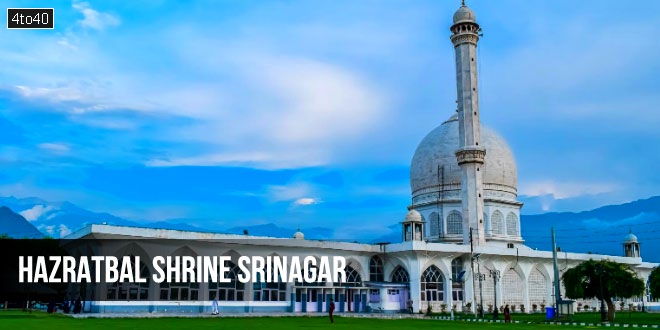
Hazratbal Shrine Srinagar: Nestled on the northern shores of the picturesque Dal Lake in Srinagar, the Hazratbal Shrine stands as a revered testament to the rich cultural and religious tapestry of Kashmir. This sacred abode, with its intricate architecture and profound history, beckons pilgrims and tourists alike to witness the spiritual resonance that permeates its hallowed grounds.
Let us unravel the layers of its significance, delve into the historical threads that weave its story, and discover the enchantment that makes it a cherished jewel in the crown of Kashmir’s spiritual heritage.
| Name: | Hazratbal Shrine (Dargah Sharif) |
| Location: | Hazratbal, Srinagar, Srinagar District, Kashmir Valley, Jammu and Kashmir |
| Ecclesiastical or organizational status: | Mosque and dargah |
| Affiliation: | Sunni Islam |
| Administration: | Jammu and Kashmir Muslim Waqf Board |
| Type: | Mosque architecture |
| Festivals: | Mawlid |
| Completed In: | 1634 (first structure) :: 1979 (expansion) |
Location Map:
Interesting Facts:
- The Hazratbal Shrine in Srinagar holds immense religious significance for the Muslim community, both regionally and beyond.
- At the heart of this significance is the relic believed to be a hair from the beard of the Islamic prophet Muhammad. This relic, known as “Moi-e-Muqqadas,” is considered extremely sacred by Muslims, and its display on special religious occasions attracts thousands of devotees.
- The presence of the holy relic makes Hazratbal one of the holiest shrines in the region. It serves as a place of veneration and spiritual connection for Muslims, who visit the shrine to offer prayers and seek blessings.
- The belief in the sanctity of the relic fosters a deep sense of reverence among the devotees, and its display is a moment of profound religious significance, drawing pilgrims from various parts of the Kashmir Valley and beyond.
History:
The Hazratbal Shrine, dating back to the 17th century, was initially established by Inayat Begum, the daughter of Khwaja Nur-ud-Din Eshai, who became the custodian of the holy relic.
The first construction of the shrine, known as Ishrat Jahan, took place in the 17th century during the reign of Mughal Emperor Shah Jahan. In 1634, Shah Jahan ordered the conversion of the building into a prayer hall.
The blessed holy relic, known as Moi-e-Muqaddas, was brought to Kashmir by Syed Abdullah Madani, a descendant of Muhammad, who settled in Bijapur in 1635. Following Abdullah’s death, the relic passed to his son Syed Hameed.
However, during the Mughal conquest of the region, Hameed was stripped of his family estates, leading him to entrust the relic to Khwaja Nur-ud-Din Eshai, a wealthy Kashmiri businessman.
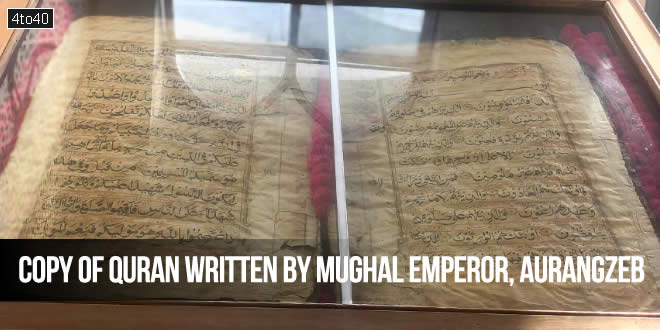
The Mughal Emperor Aurangzeb, upon learning of the relic’s existence, had it seized and sent to the shrine of Sufi mystic Mu’in al-Din Chishti in Ajmer. After a divine dream, Aurangzeb returned the relic to Eshai and allowed him to take it to Kashmir.
Unfortunately, Eshai had already passed away while imprisoned. In 1700, the relic, along with Eshai’s body, reached Kashmir. Inayat Begum, Eshai’s daughter, became the custodian and established the Hazratbal Shrine, initiating a legacy where her male descendants, known as the Banday family, have since been caretakers of the relic.
The current structure of the shrine, commenced in 1968 and completed in 1979, stands as a testament to its enduring historical and religious significance.
The relic is displayed for public view on special Islamic occasions, such as the birthdays of Muhammad and his four main companions, under the care of the nisandeh, the eldest male heirs of the previous custodian.
This legacy ensures the continuation of the sacred tradition associated with the Hazratbal Shrine.
As of 2019, key members of the Banday family, including Manzoor Ahmad Banday, Ishaq Banday, and Mohiuddin Banday, continue the important role of safeguarding and presenting the holy relic to the general public during significant Islamic events.
Architecture of Hazratbal Shrine:
The Hazratbal Shrine boasts a distinctive and captivating architectural style that reflects a harmonious blend of Islamic and Kashmiri influences.
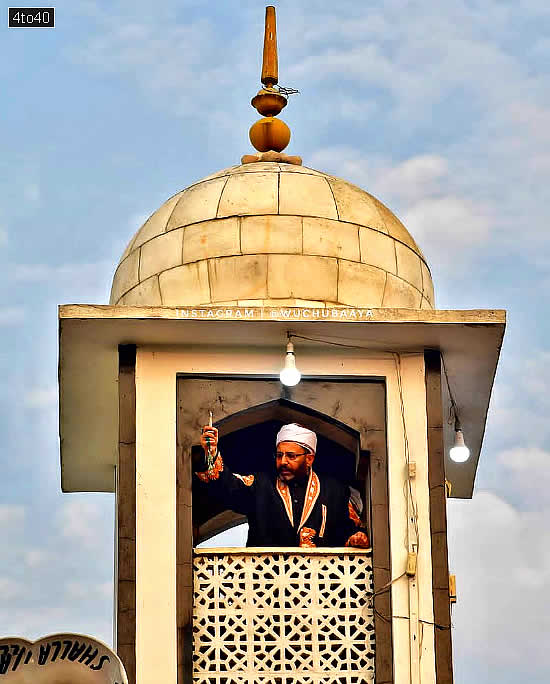
At the center of this architectural marvel is the shrine’s prominent dome, an iconic feature that graces the skyline with its elegant silhouette. This dome, characteristic of Islamic architecture, not only serves as a structural element but also holds deep symbolic significance, symbolizing a connection between the earthly and the divine.
Constructed in the 17th century during the reign of Mughal Emperor Shah Jahan, the initial building, known as Ishrat Jahan, laid the foundation for the shrine’s architectural legacy.
Over the years, the structure underwent transformations, and in 1634, Shah Jahan ordered its conversion into a prayer hall, marking a pivotal moment in the architectural evolution of Hazratbal.
The shrine’s exterior, crafted from white marble, contributes to its pristine appearance, creating a striking contrast against the surrounding landscape.
The use of marble not only aligns with Islamic architectural traditions but also imparts a sense of purity and sanctity to the sacred space.
Intricate geometric patterns and calligraphy adorn the exterior, adding to the visual richness and detailing that characterize the architectural finesse of the shrine.
Surrounding the main structure are well-maintained gardens, a typical feature in Islamic architecture.
These gardens not only enhance the aesthetic appeal of the shrine but also provide a serene environment for contemplation and prayer. The thoughtful landscaping complements the overall design, creating a harmonious blend of architecture and nature.
Venturing inside, the interiors of the Hazratbal Shrine reveal further architectural elegance. Islamic art and calligraphy adorn the prayer spaces, creating an immersive atmosphere for worship.
The layout of the interior spaces reflects careful consideration for the needs of prayer and congregation, emphasizing functionality without compromising on aesthetic appeal.
Useful Information:
If you are a tourist in Kashmir and want to visit Hazratbal Shrine, here are some useful information.
- Hazratbal Shrine is open to people of all religions, irrespective of religion or race.
- Women can only enter the designated outer prayer hall and not the main prayer hall.
- Always keep your head covered with a scarf and dress modestly.
- You will need to leave your footwear outside before entering the prayer hall.
- Avoid visiting on Fridays if you are a tourist as the Shrine will be crowded with devotees on their ritualistic prayers.
- If you visit in the early morning, you will get to see the spectacular sight of hundreds of pigeons flying over the white marble arched gateway.
- If you are visiting in the evening, I would suggest you stay in the Shrine complex to capture the setting sun behind the dome of the mosque. I didn’t get to do it as I visited in the morning, but I saw some stunning photos and wish I was there in the evening!
- Spent some time in the park by the Shrine. It is a very peaceful and tranquil place. Also, don’t forget to click photos of Dal Lake from here!
- I would recommend you explore the Dargah Market located right behind the Shrine. This is where the locals shop so everything is cheap and authentic. Do check out the local snacks and quick bites here for a taste of the authentic flavors.